
Wedding Place Cards
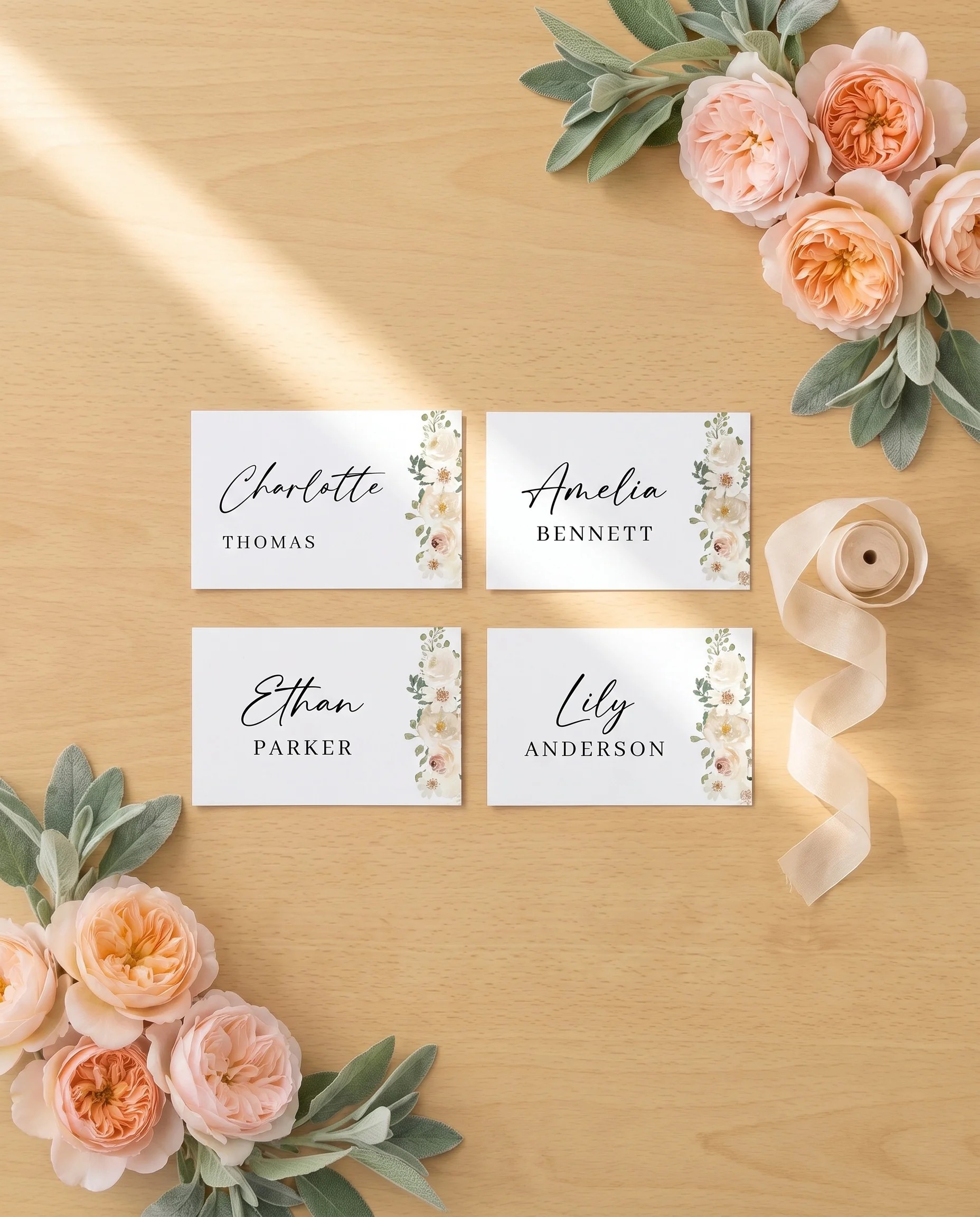
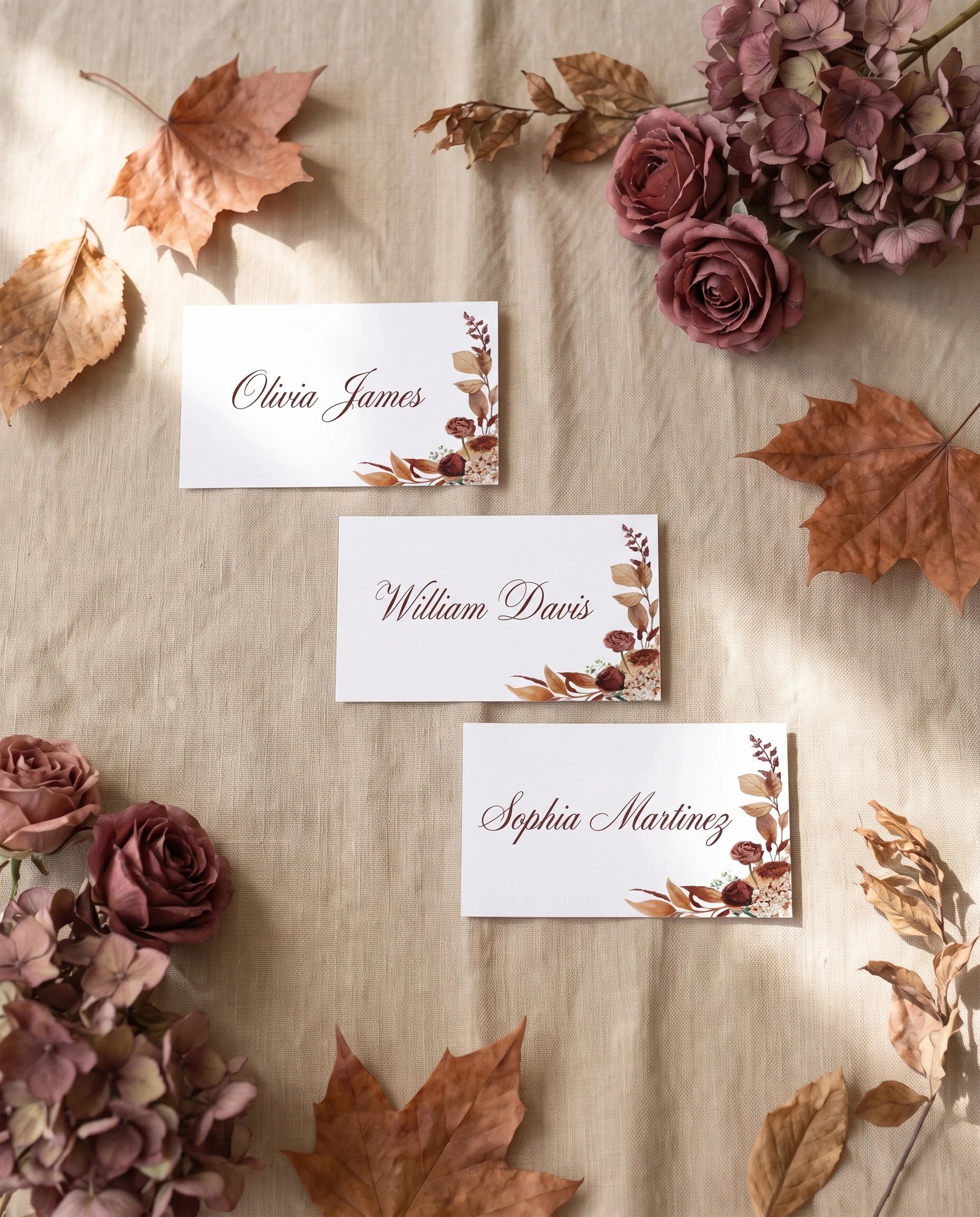
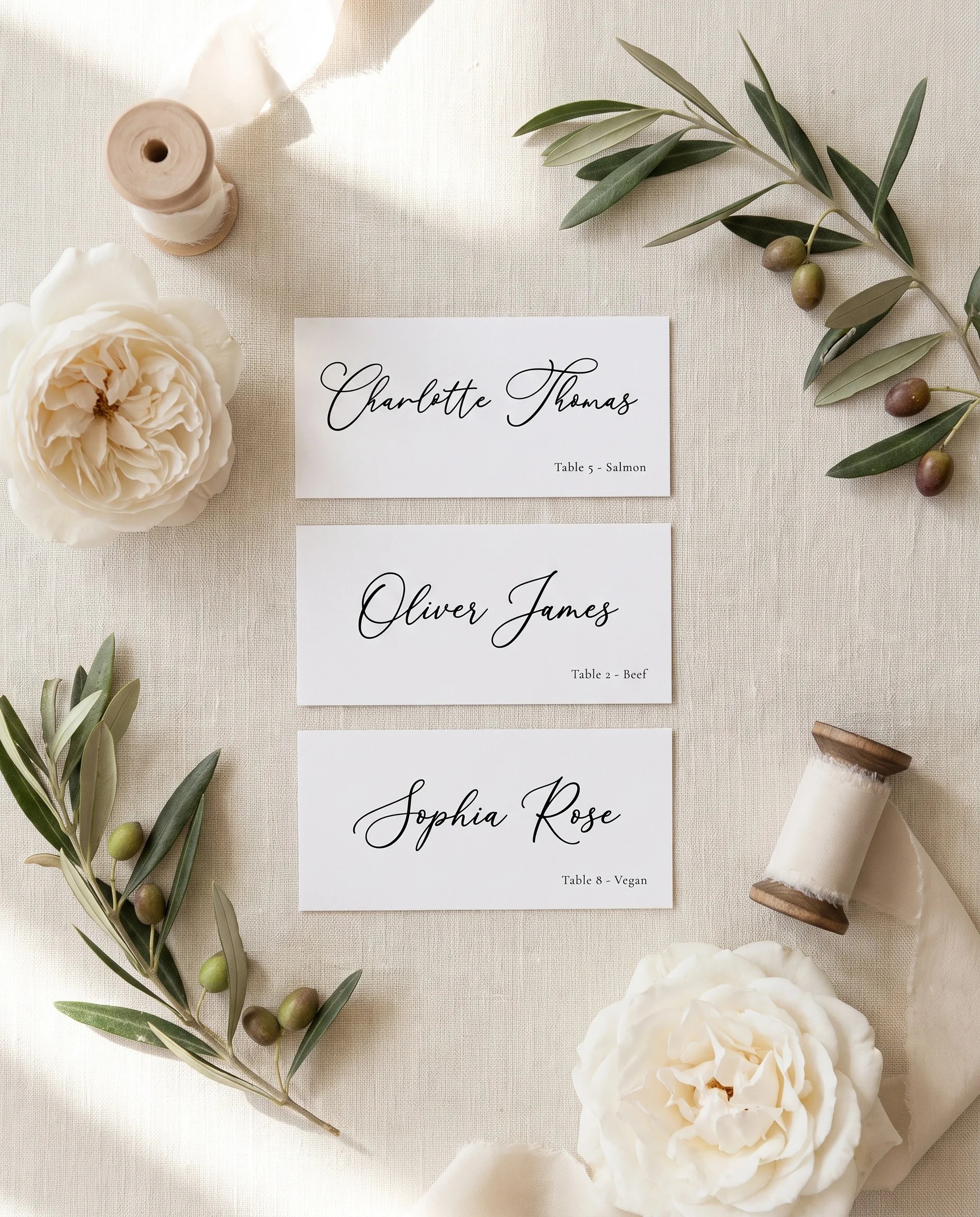
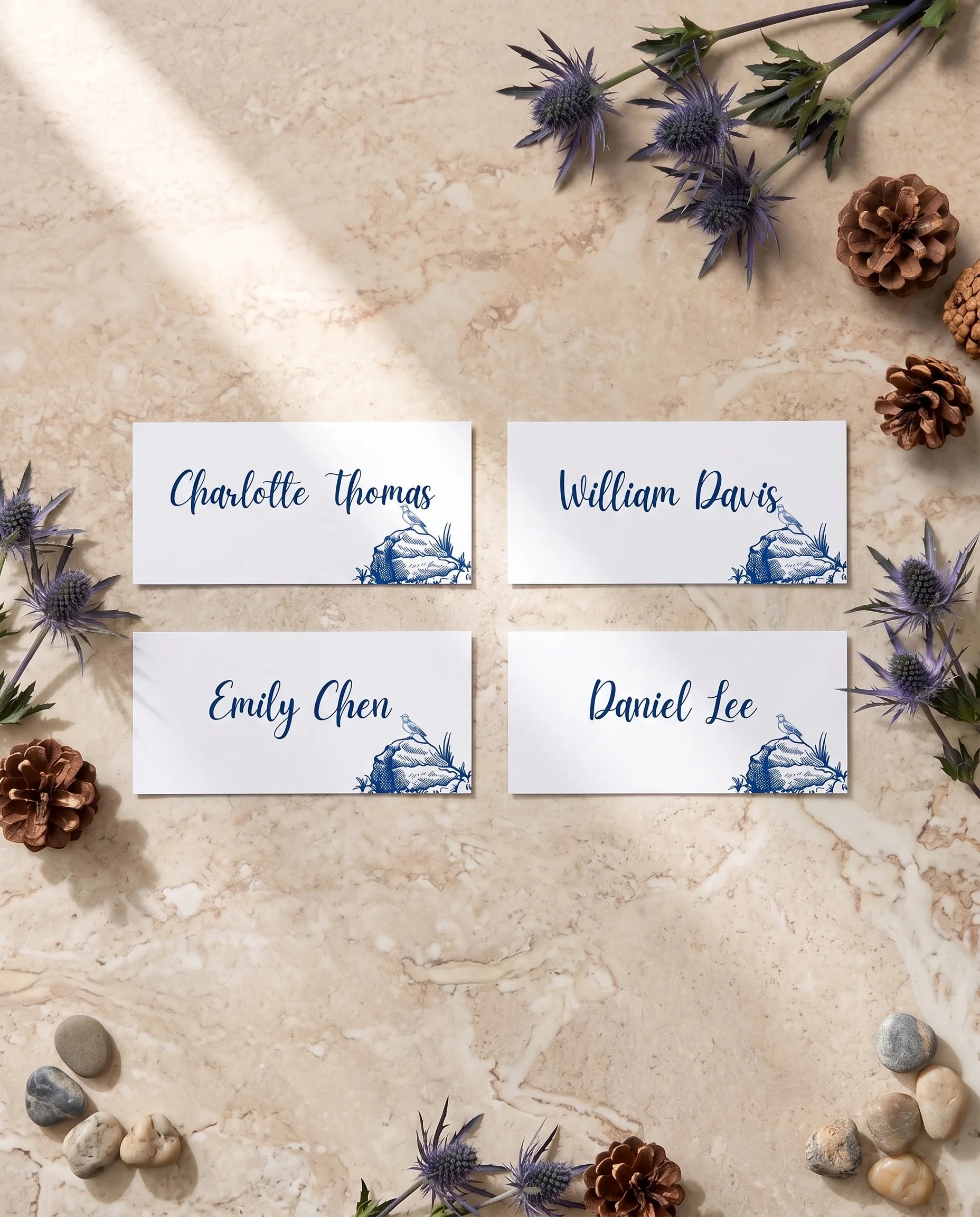
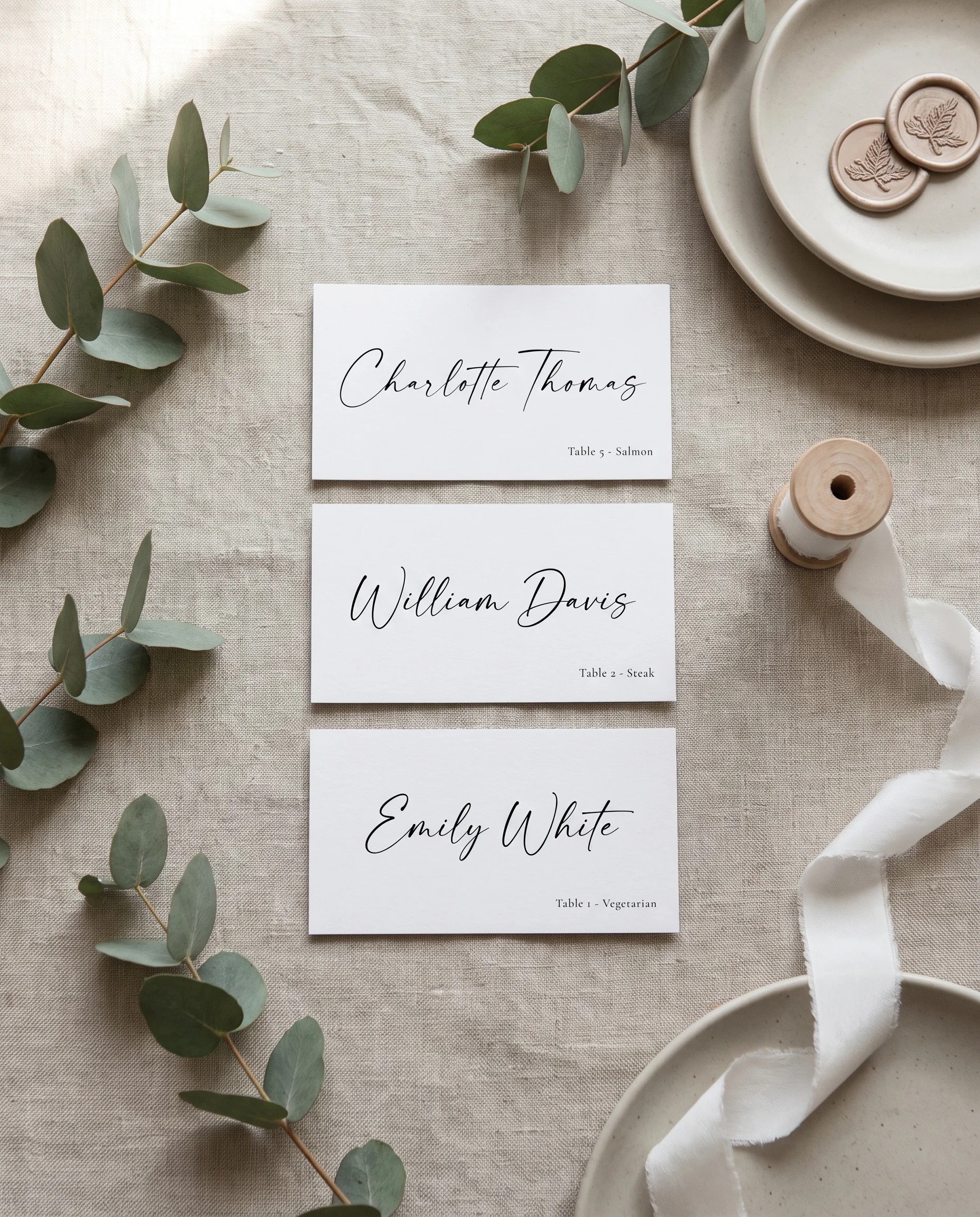
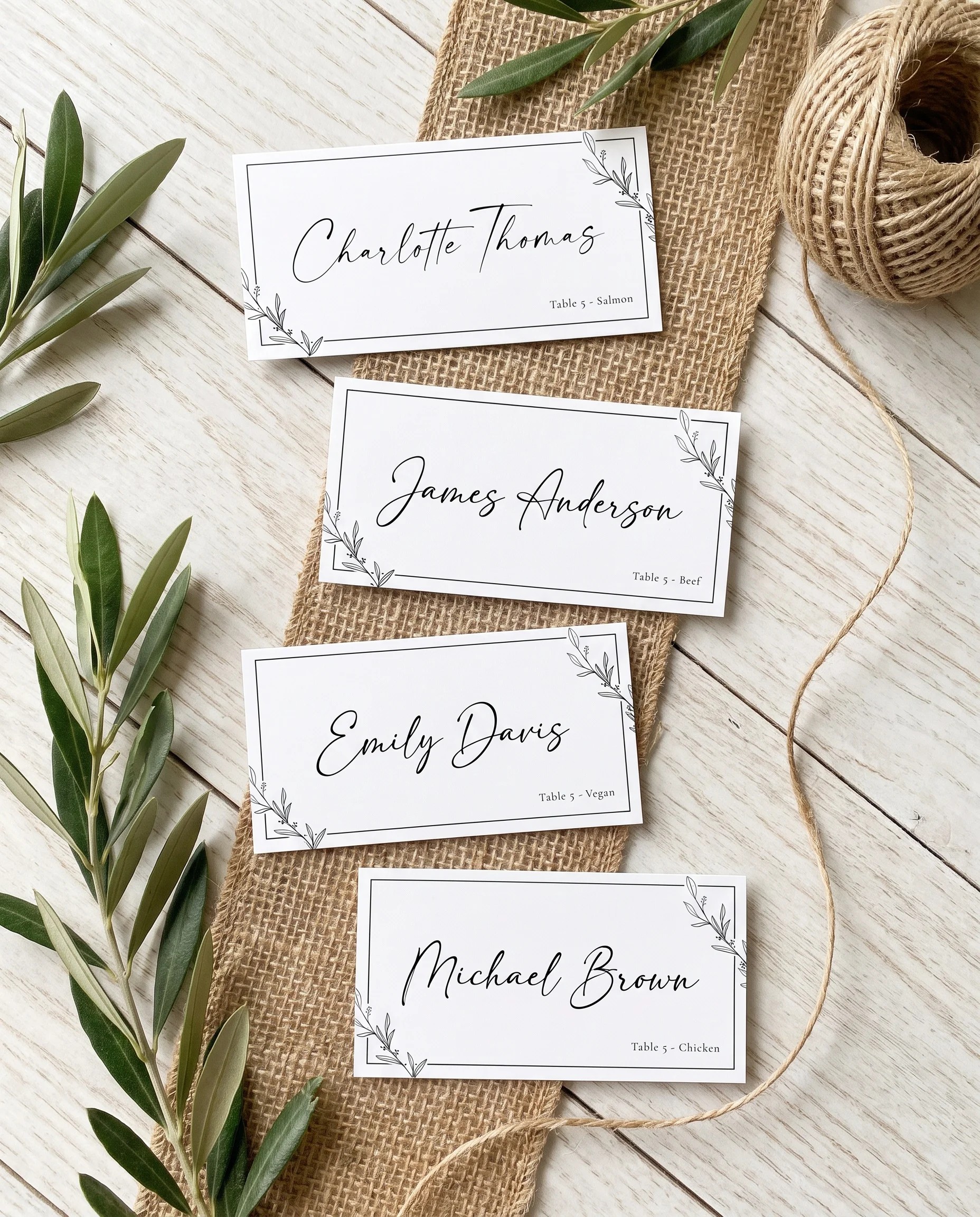
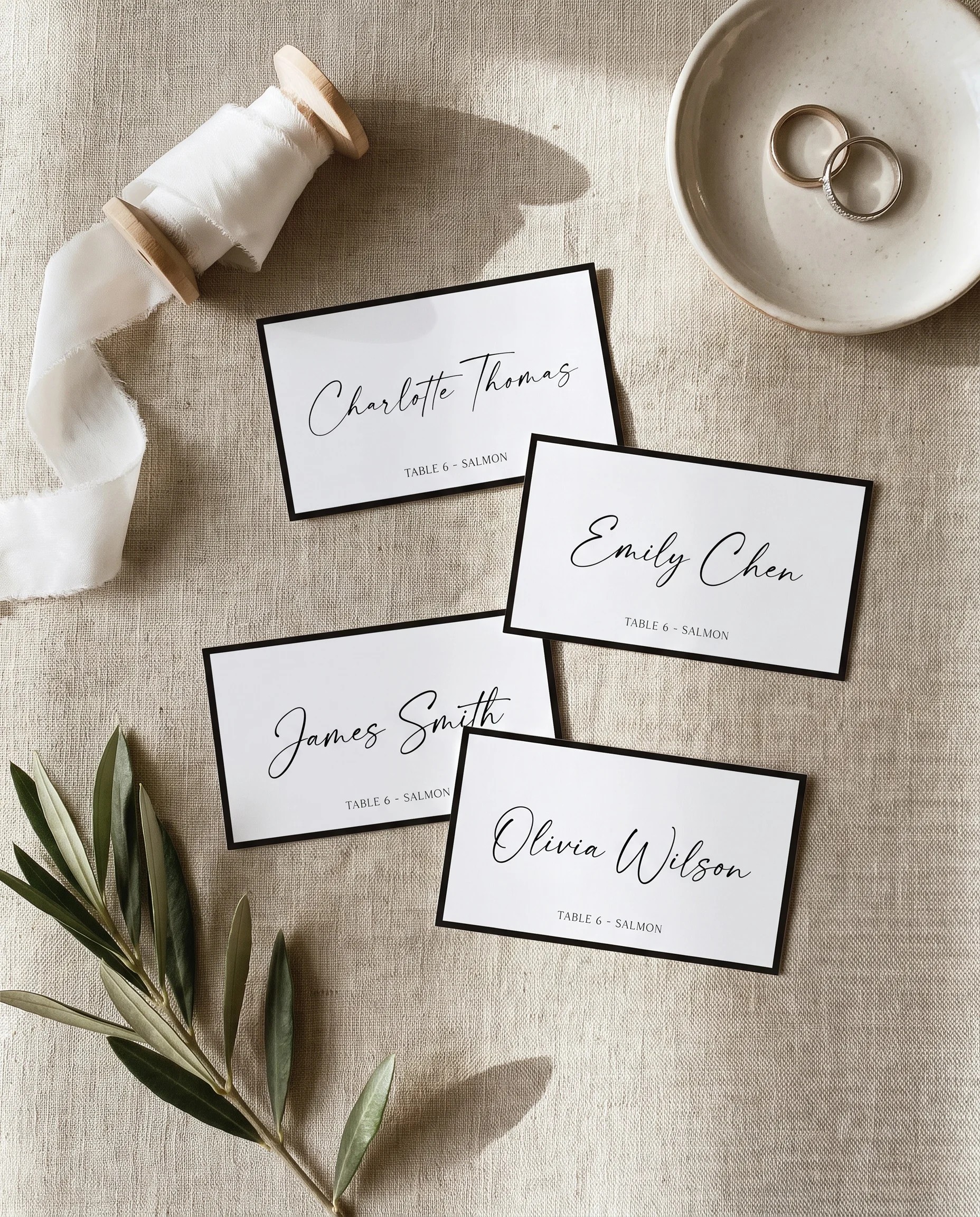
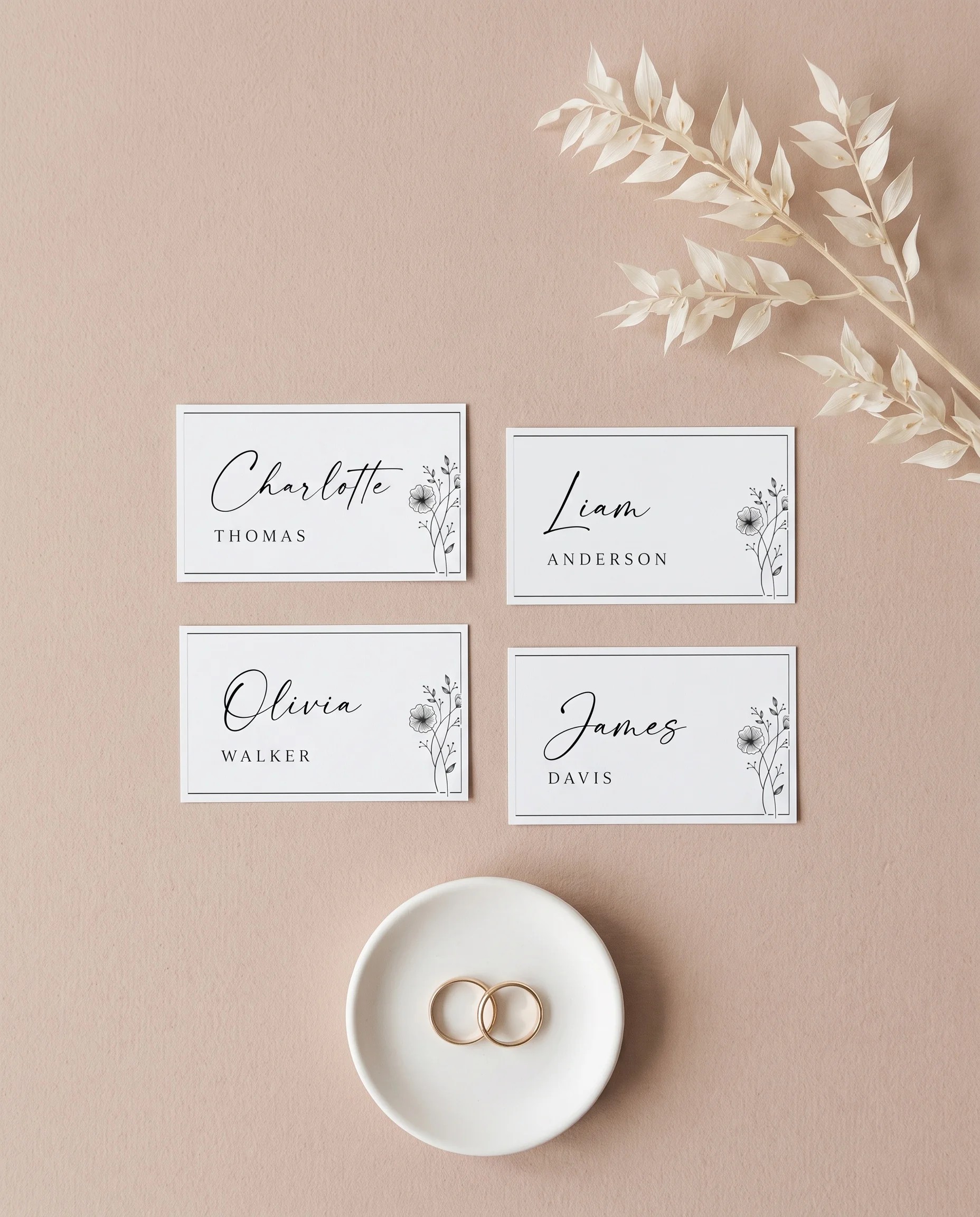
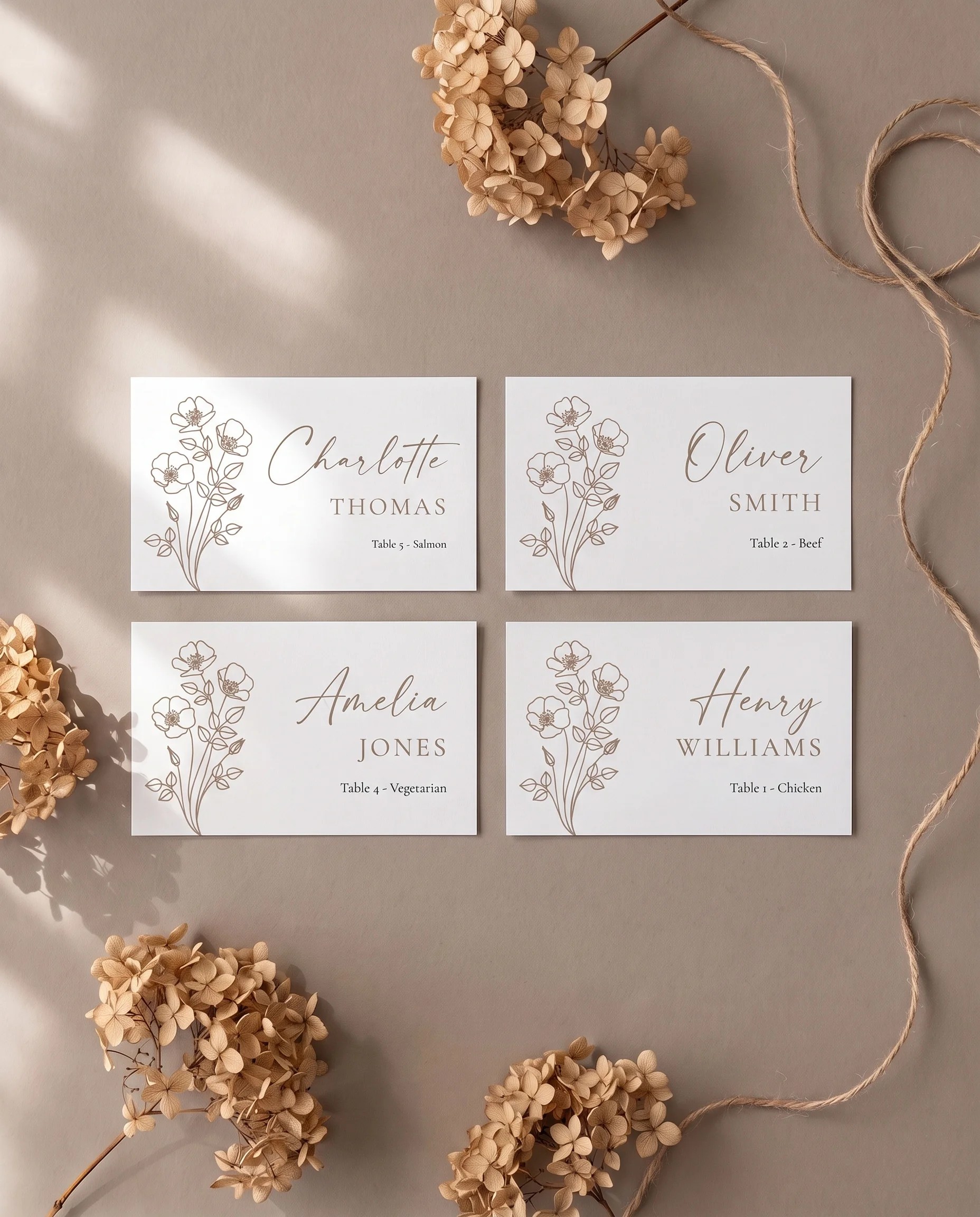
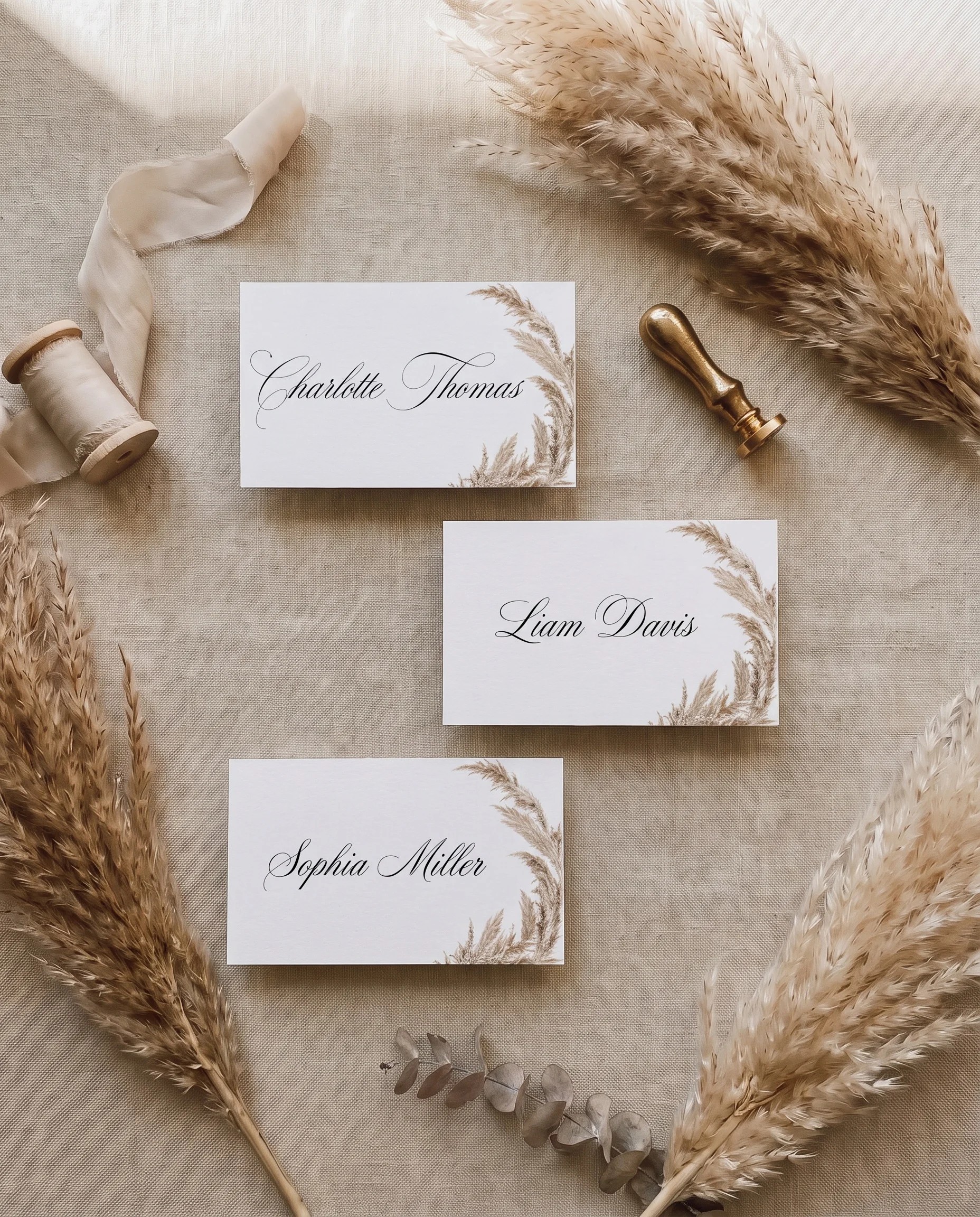
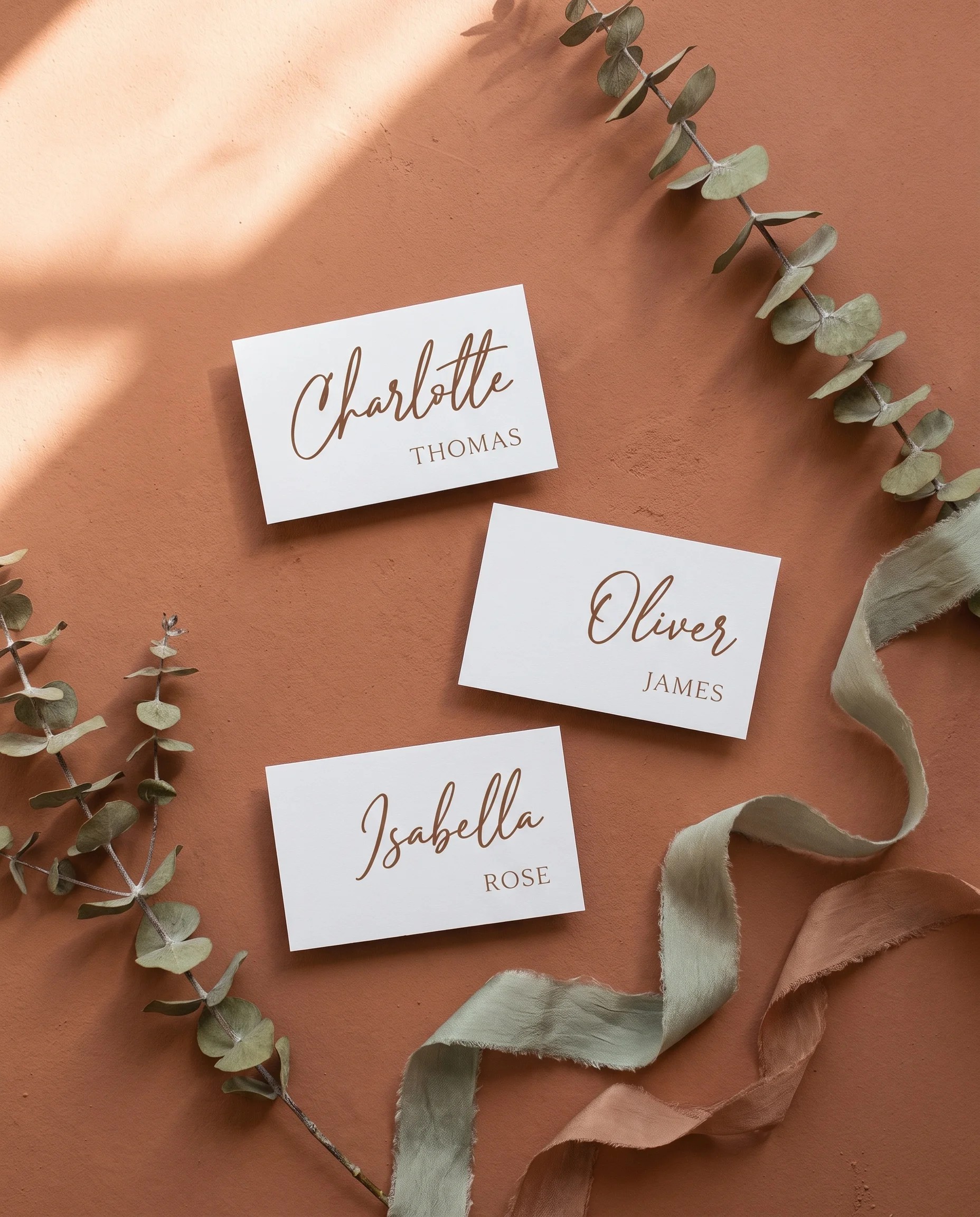
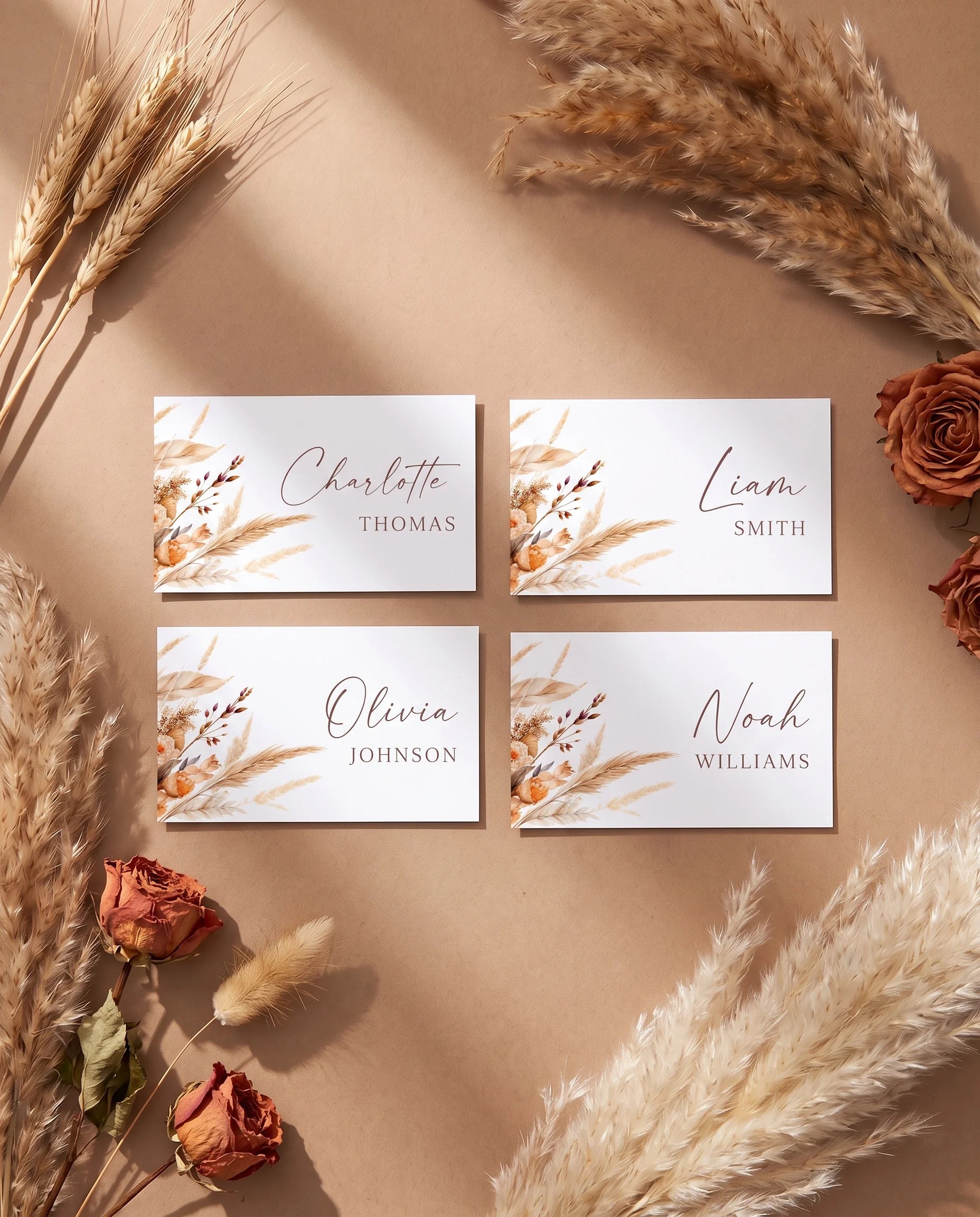
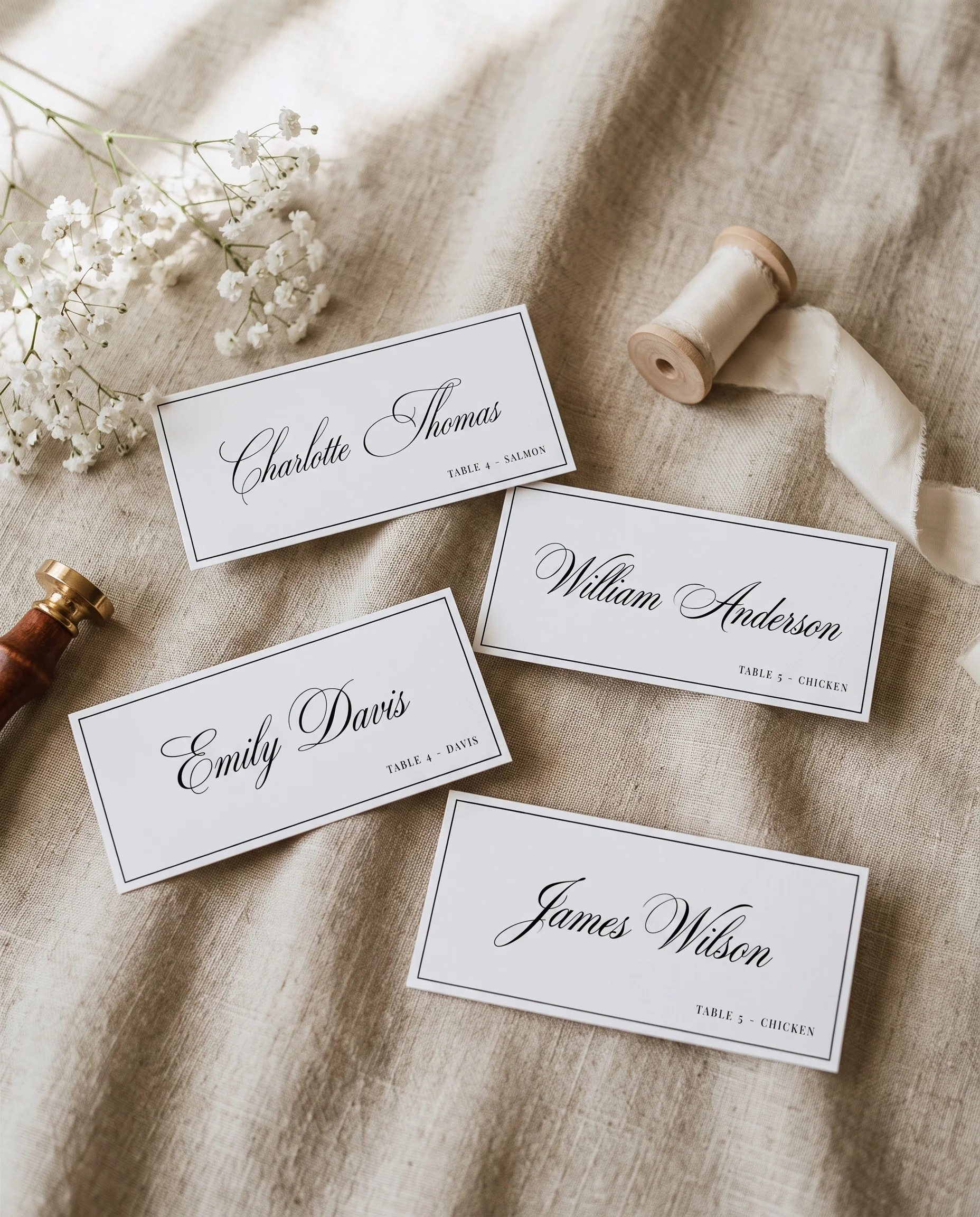
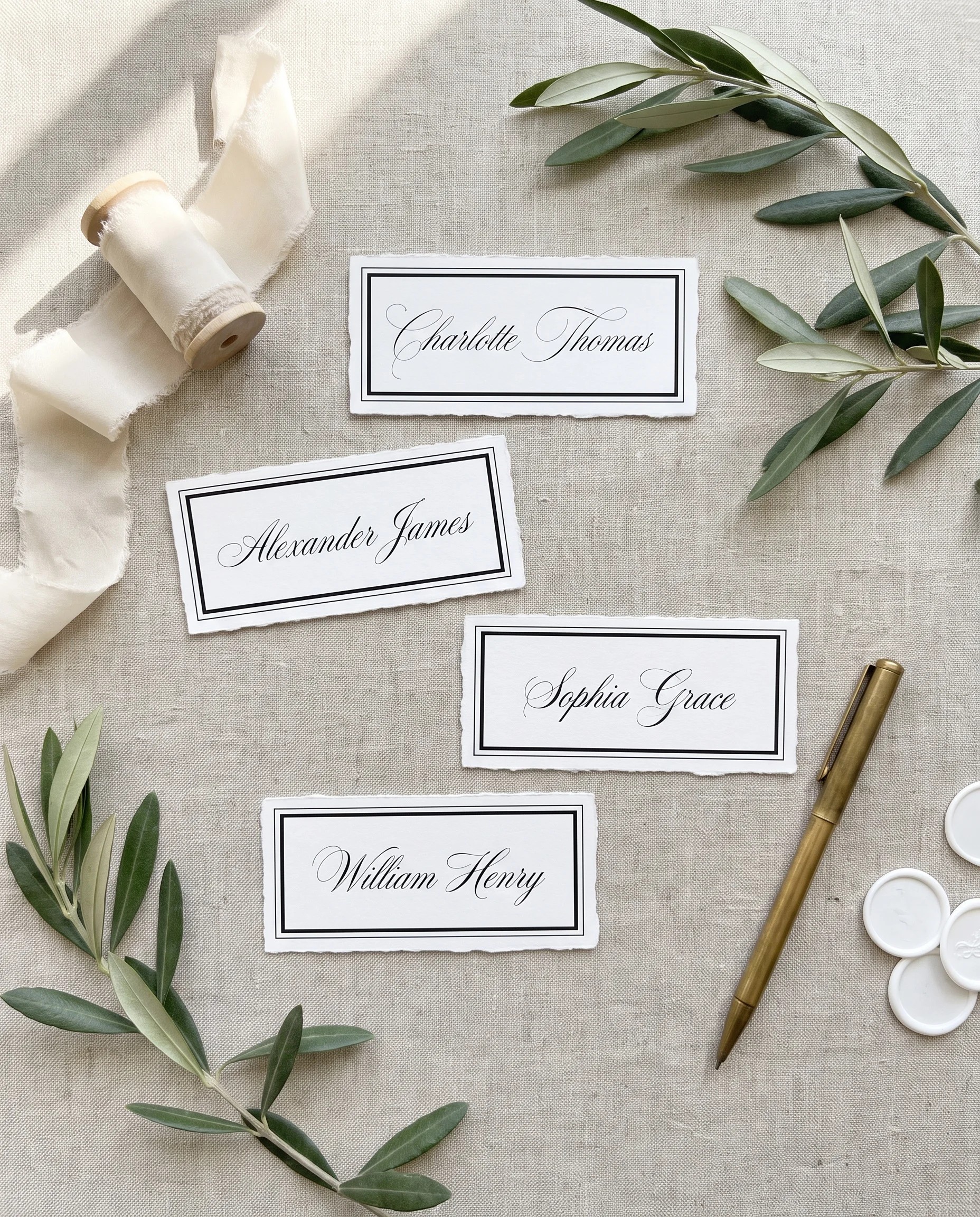
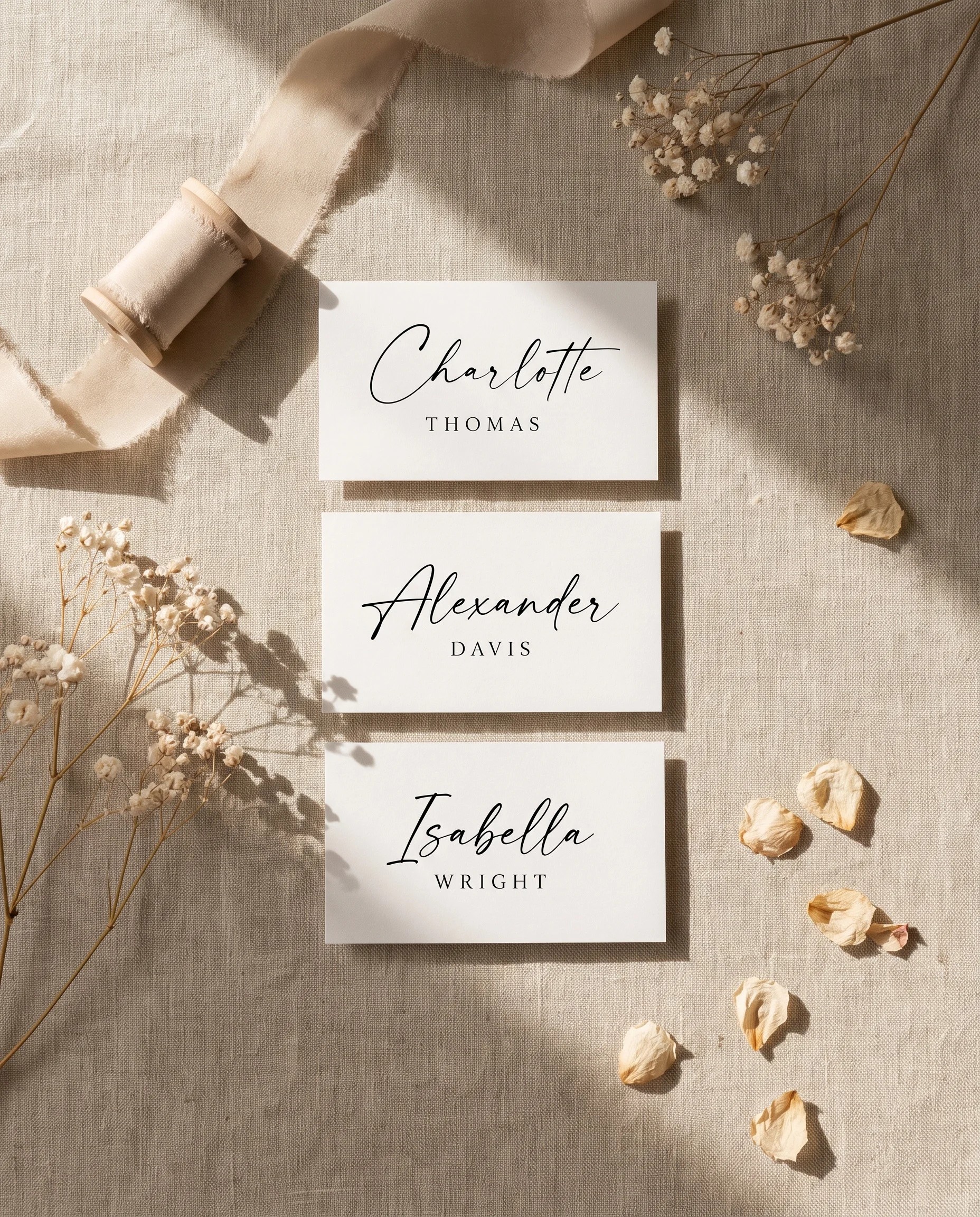
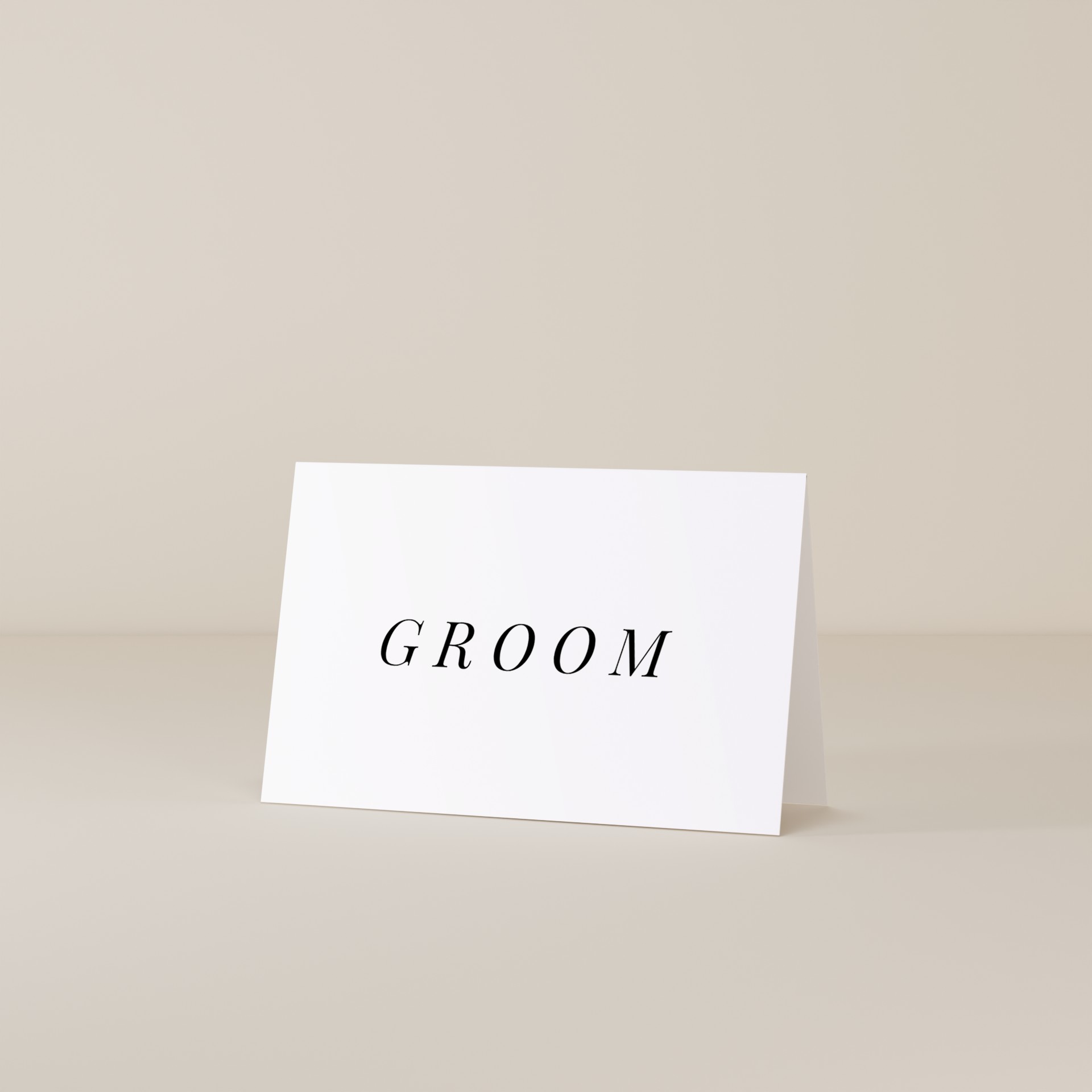
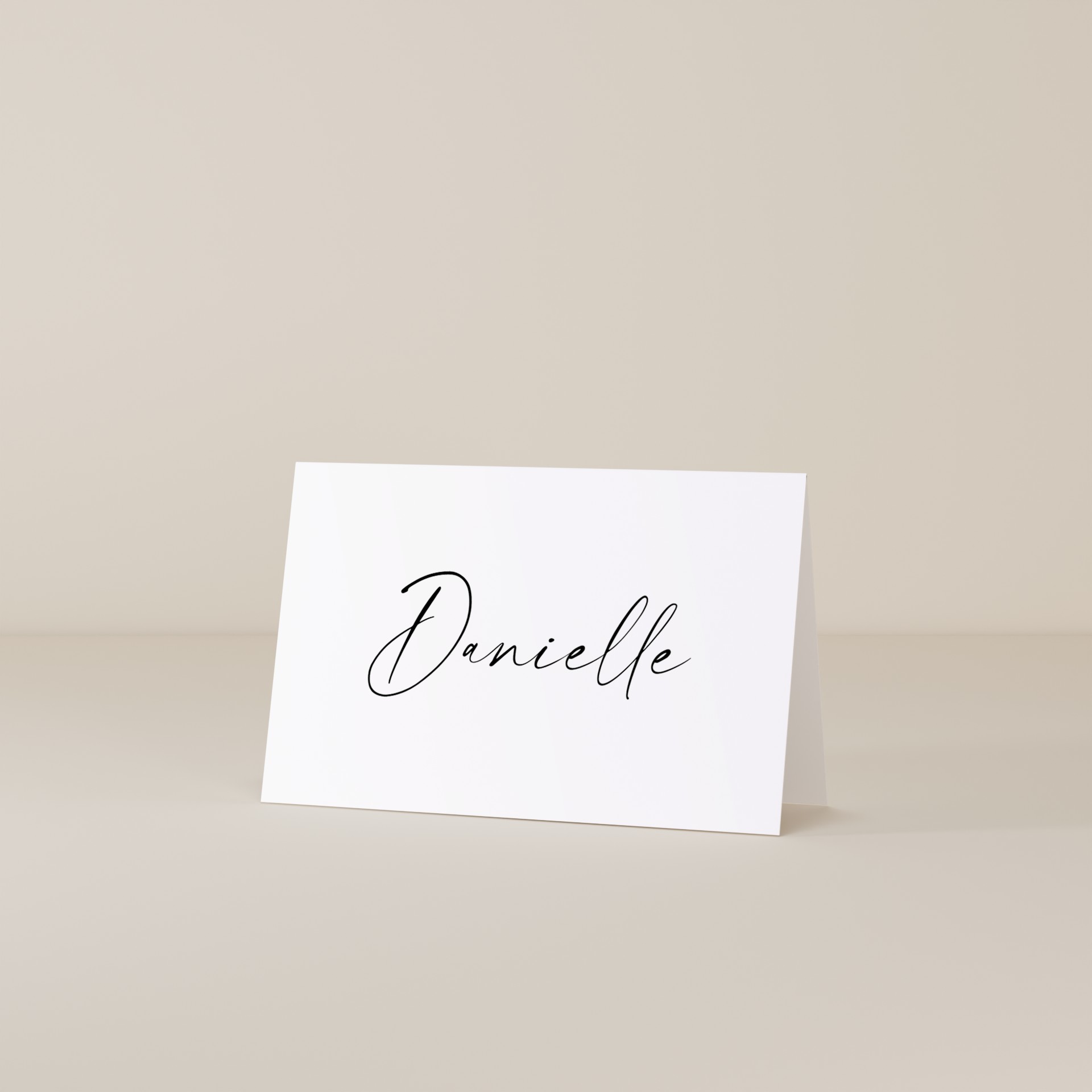
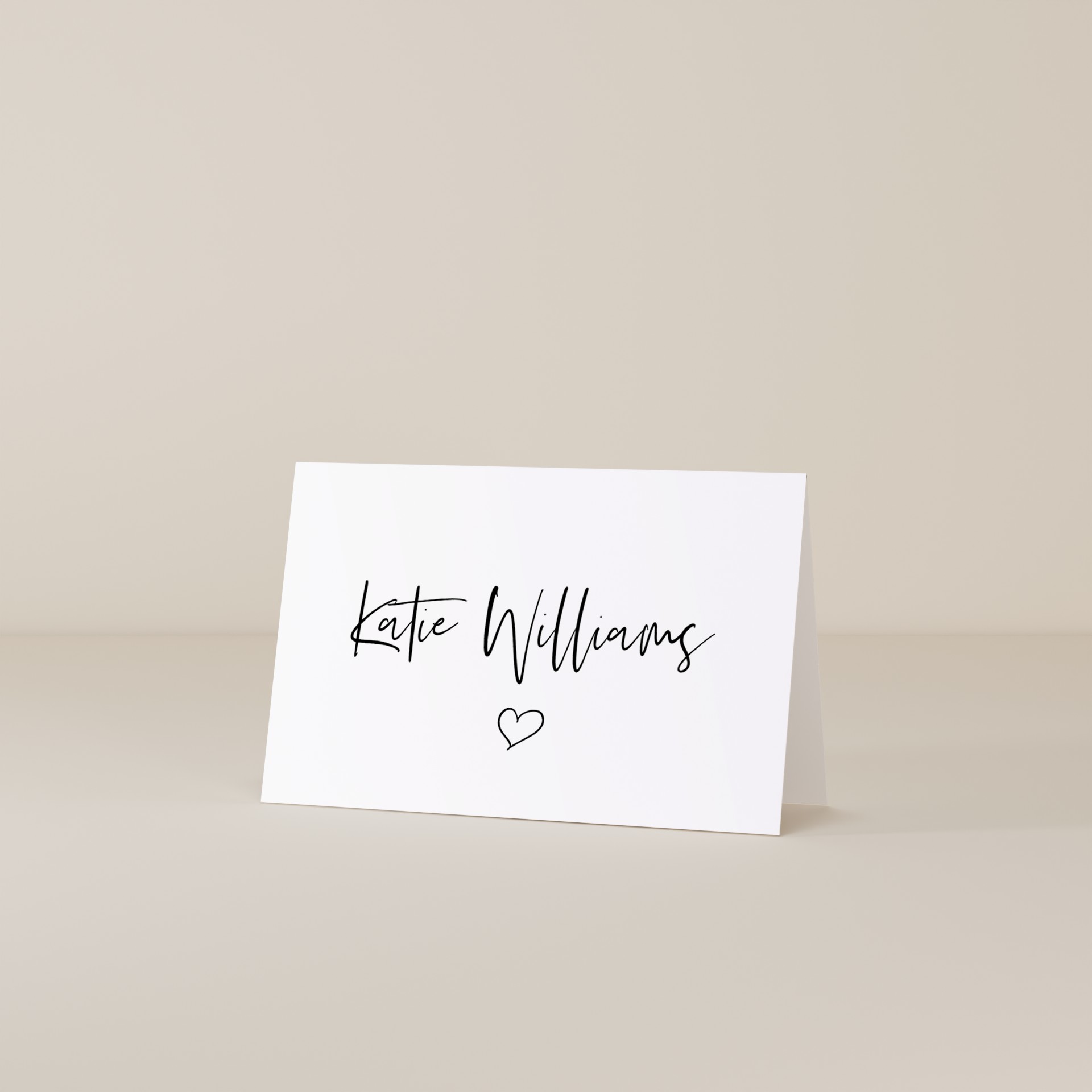
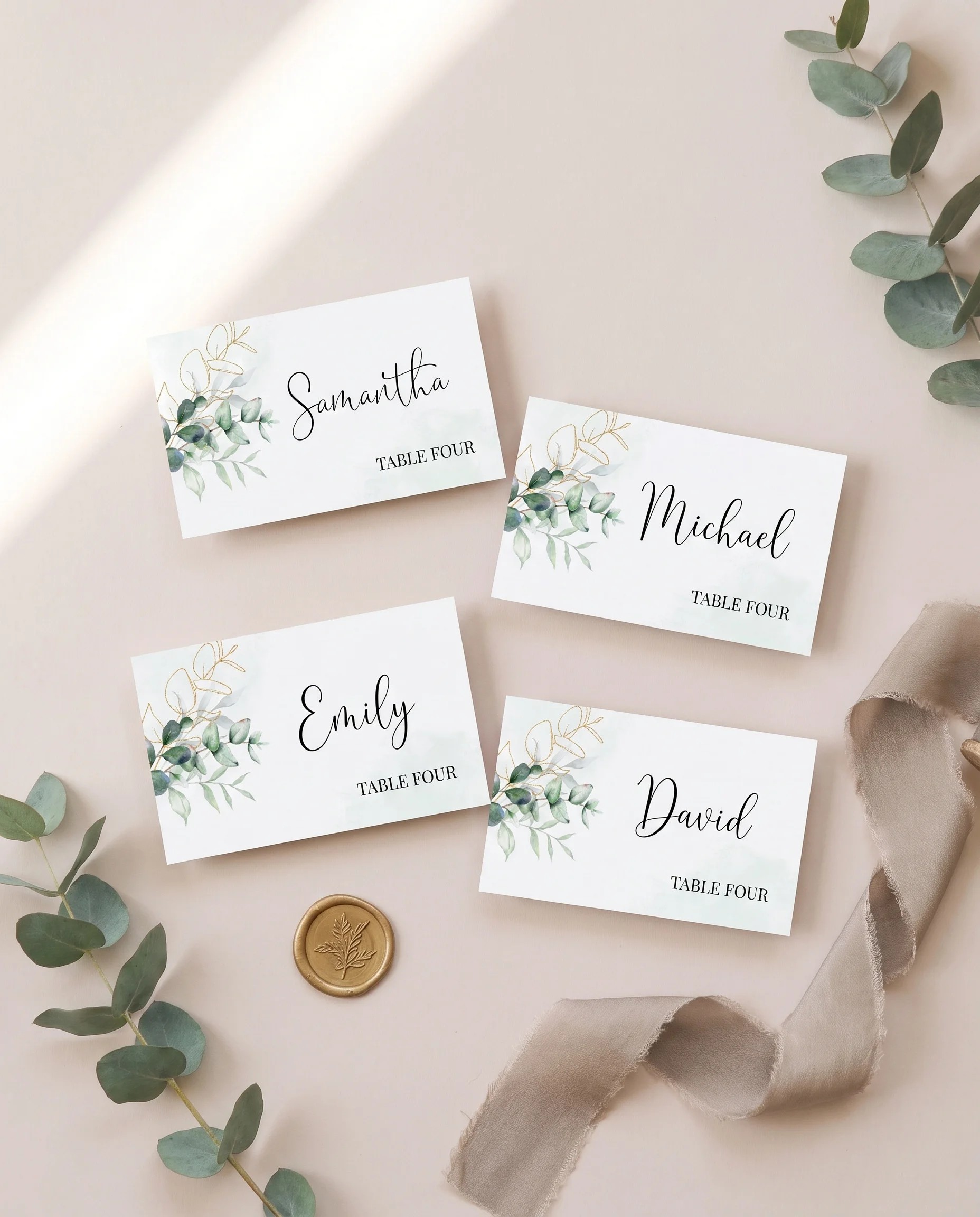
By the time guests find their seats at the reception, the place card is what tells them exactly where to sit and often what they ordered for dinner. Each design is fully editable in our free browser-based editor for folded tent cards (3.5x2 inches) that stand at each seat without a holder, and flat cards (2.5x3.5 inches) that work as escort cards or place card displays. Customize guest names, table assignments, and any meal selection markers (chicken, beef, fish). Filter by style below to coordinate with your wedding aesthetic. Print at home on standard cardstock or send to a local print shop.



trending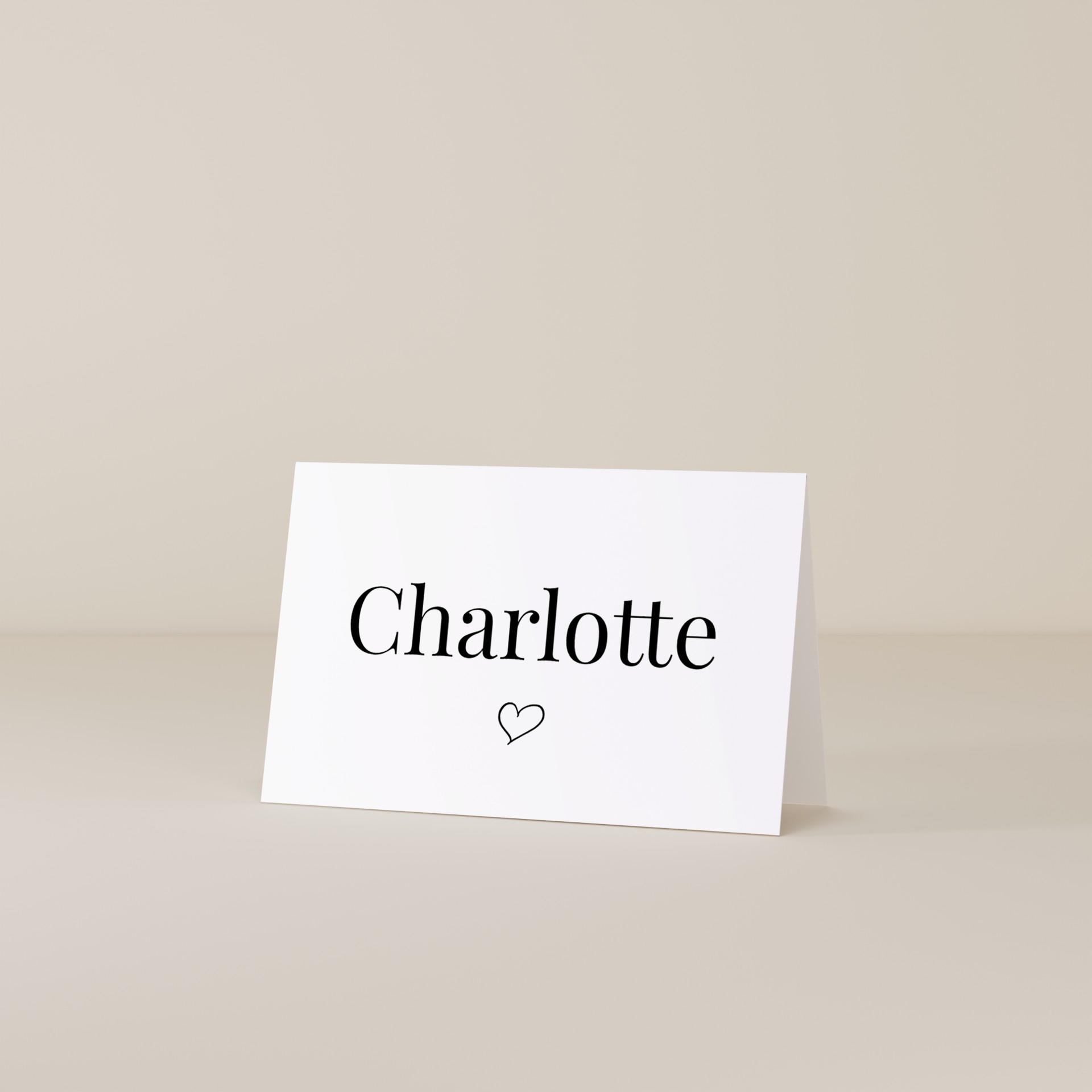
About Our Wedding Place Cards
Wedding place cards are the small printed cards that mark each guest's individual seat at the reception. Once guests find their assigned table on the seating chart, the place card tells them exactly which seat is theirs. Our wedding place card templates are fully editable in our free browser-based editor. No Canva account, no Photoshop, no software to install. Customize guest names, table numbers, and any meal selection indicator (chicken, beef, fish, vegetarian) for plated dinners. Whether you are searching for printable wedding place cards, editable wedding place card templates, wedding name cards, wedding tent cards, or wedding escort cards, every template here is built to be customized in your browser and printed at home or at any local print shop. Most templates are sized at the standard 3.5x2 inches folded (tent card format) or 2.5x3.5 inches flat (escort card format), with both options available for most designs.
Browse Wedding Place Cards by Style
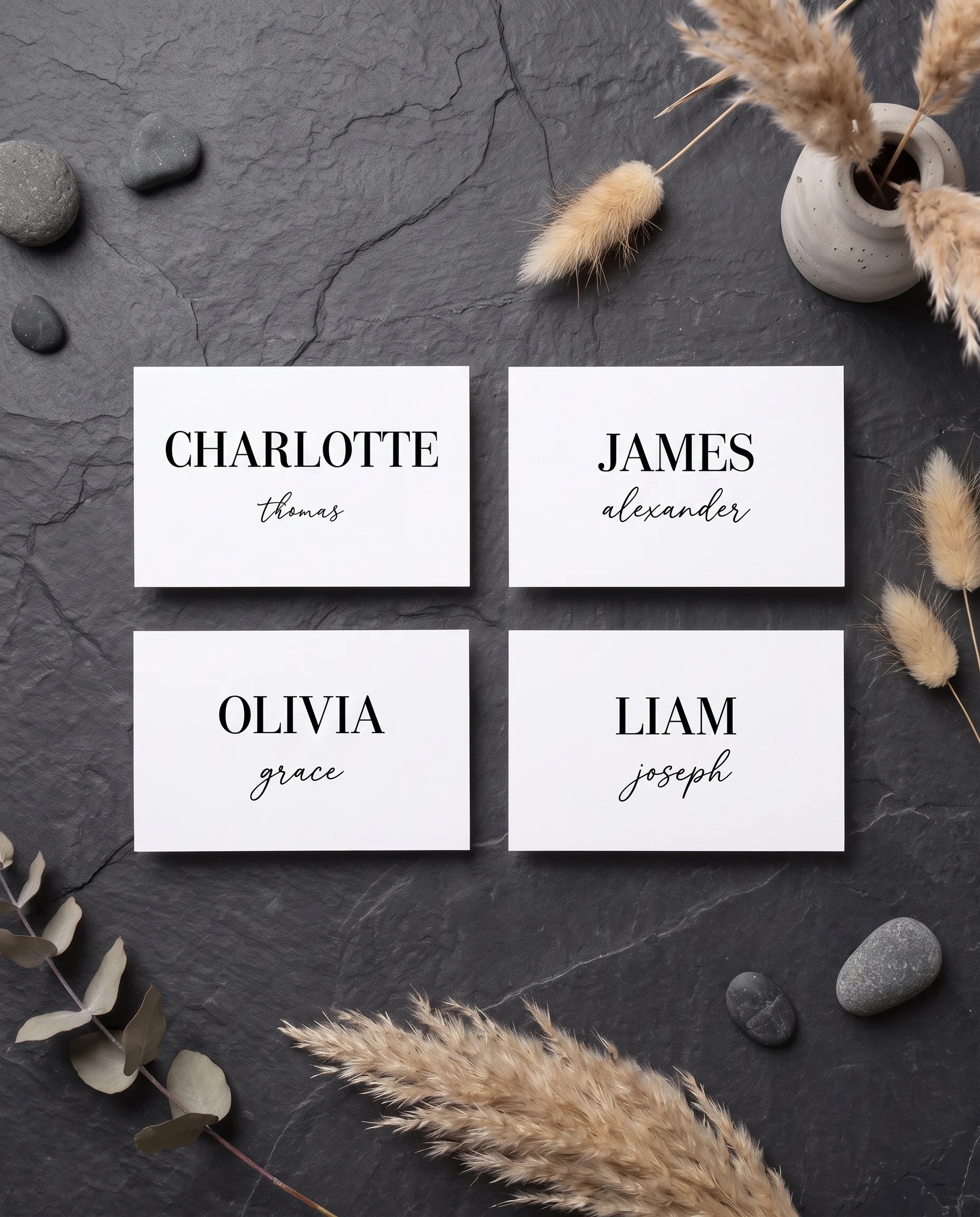
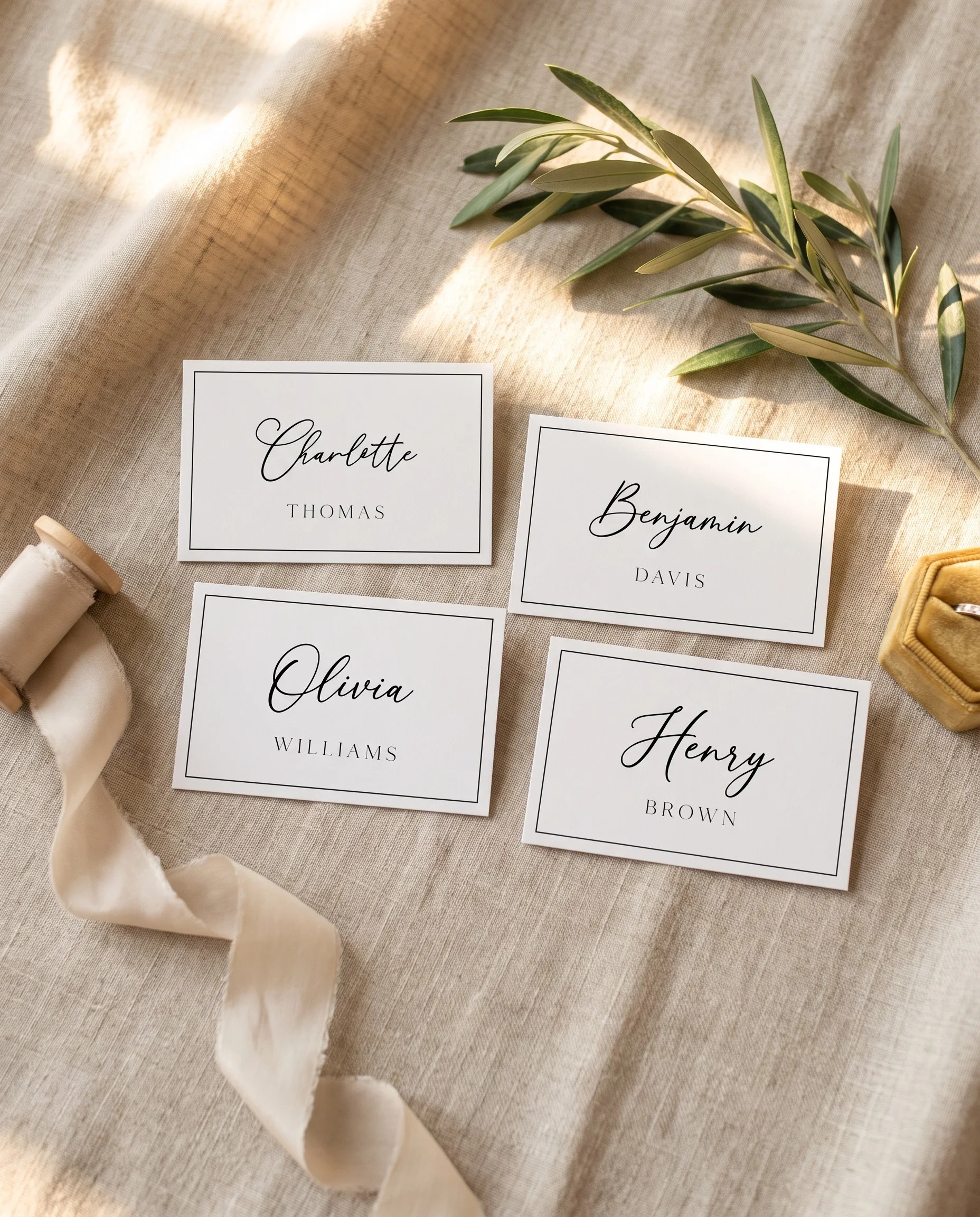
Minimalist Wedding Place Cards
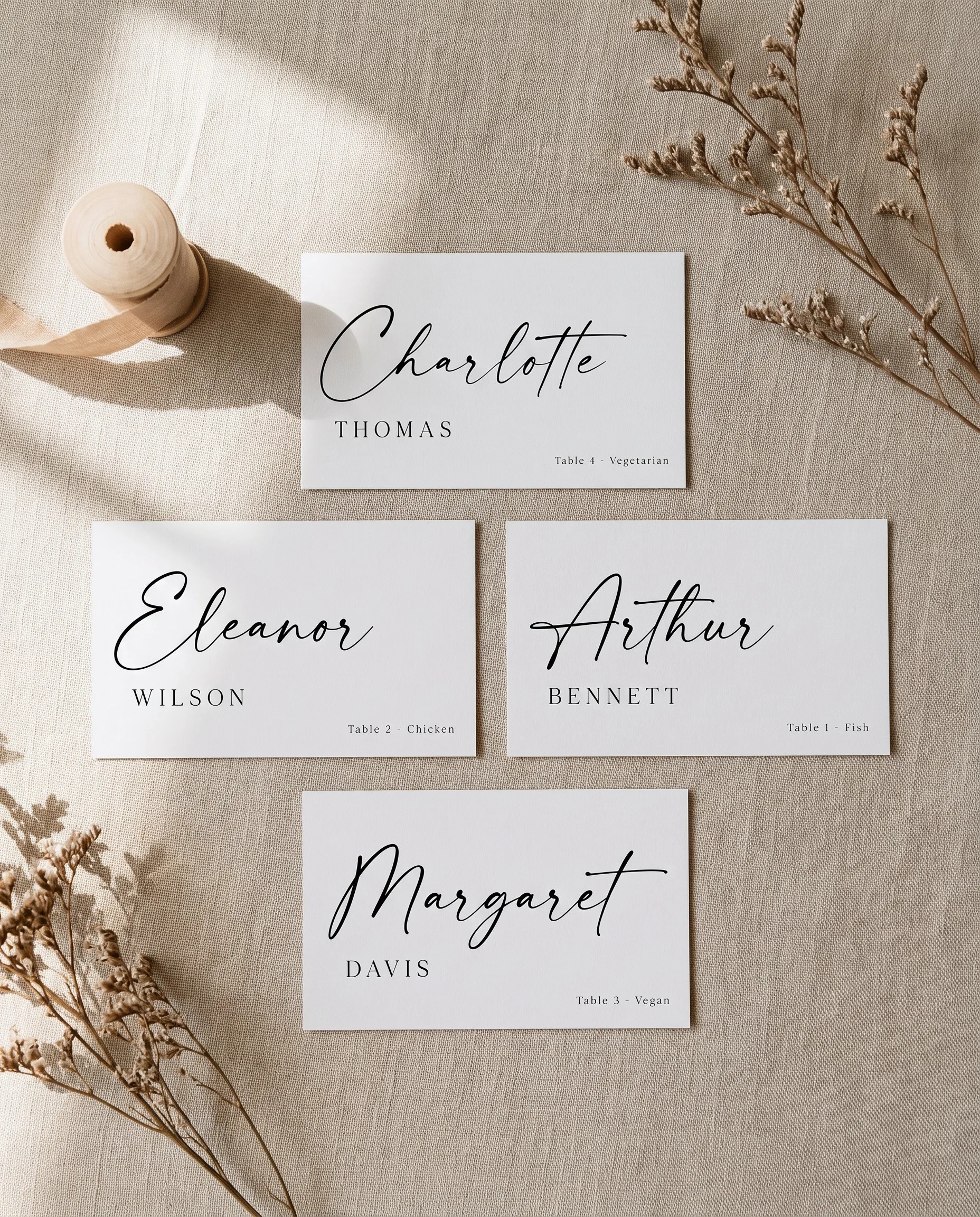
Clean lines, modern serif typography, and generous white space. For weddings with a contemporary or modern aesthetic.
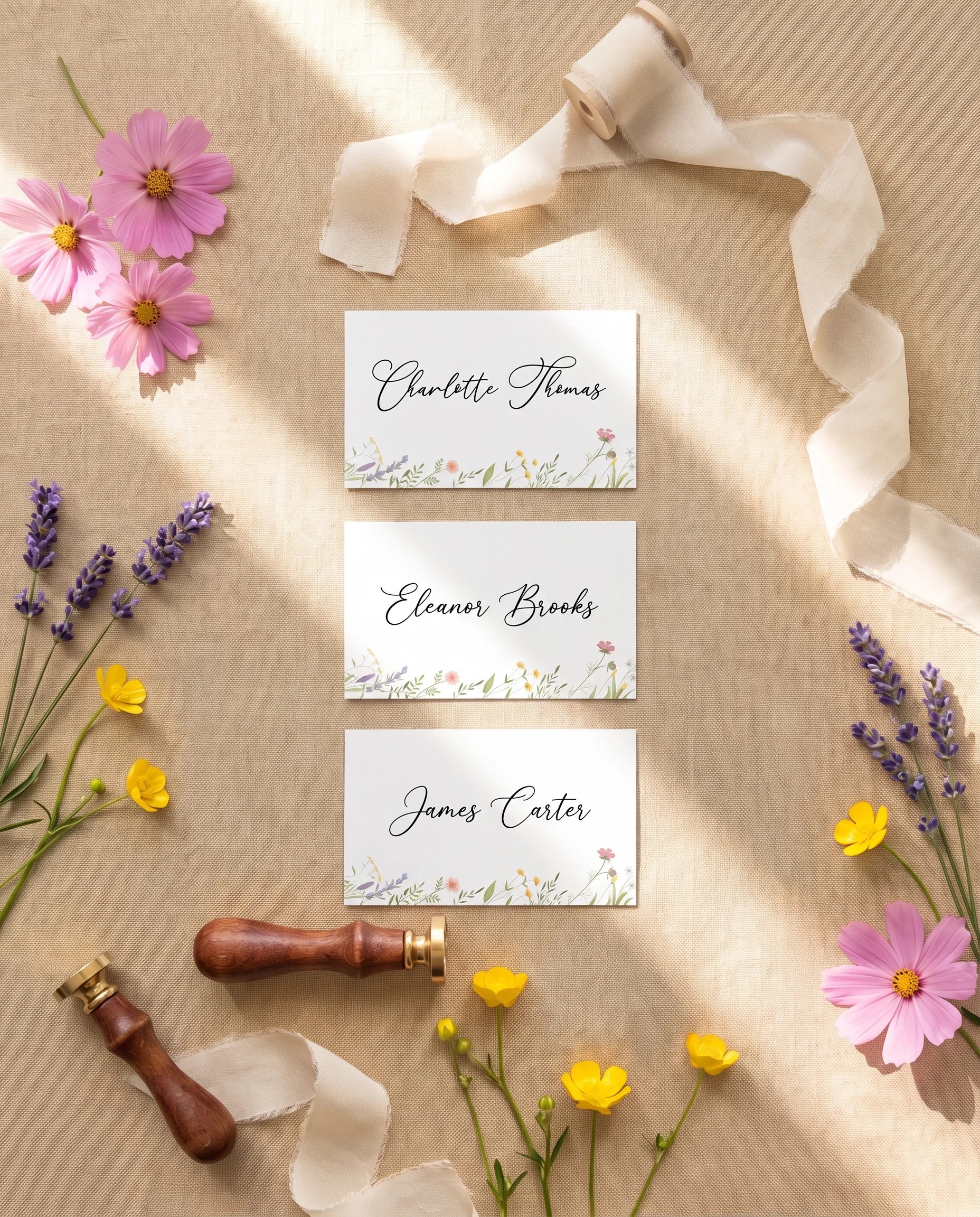
Floral Wedding Place Cards
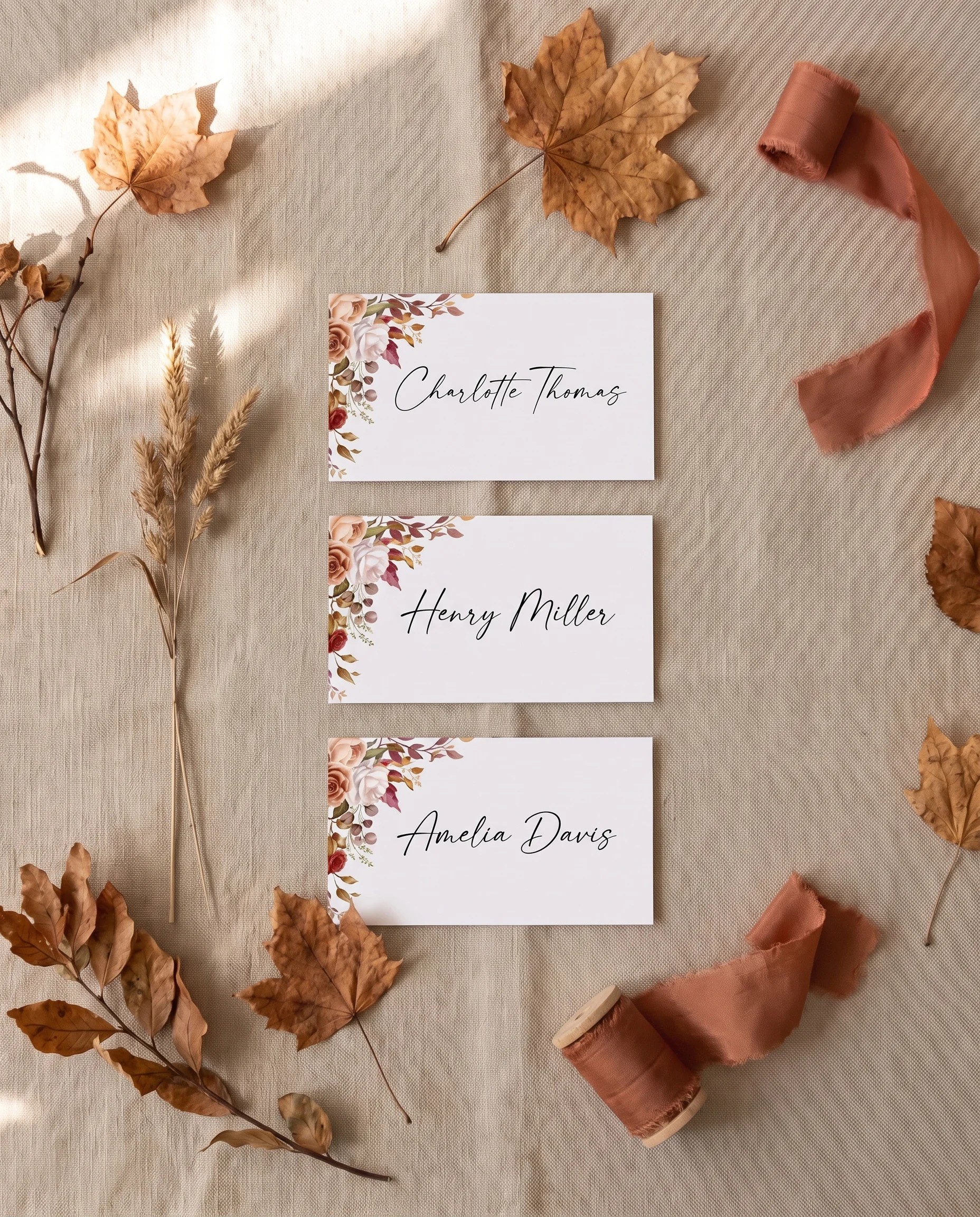
Watercolor florals and soft botanicals. Pairs with garden weddings, vineyard receptions, and floral wedding suites.
Boho Wedding Place Cards
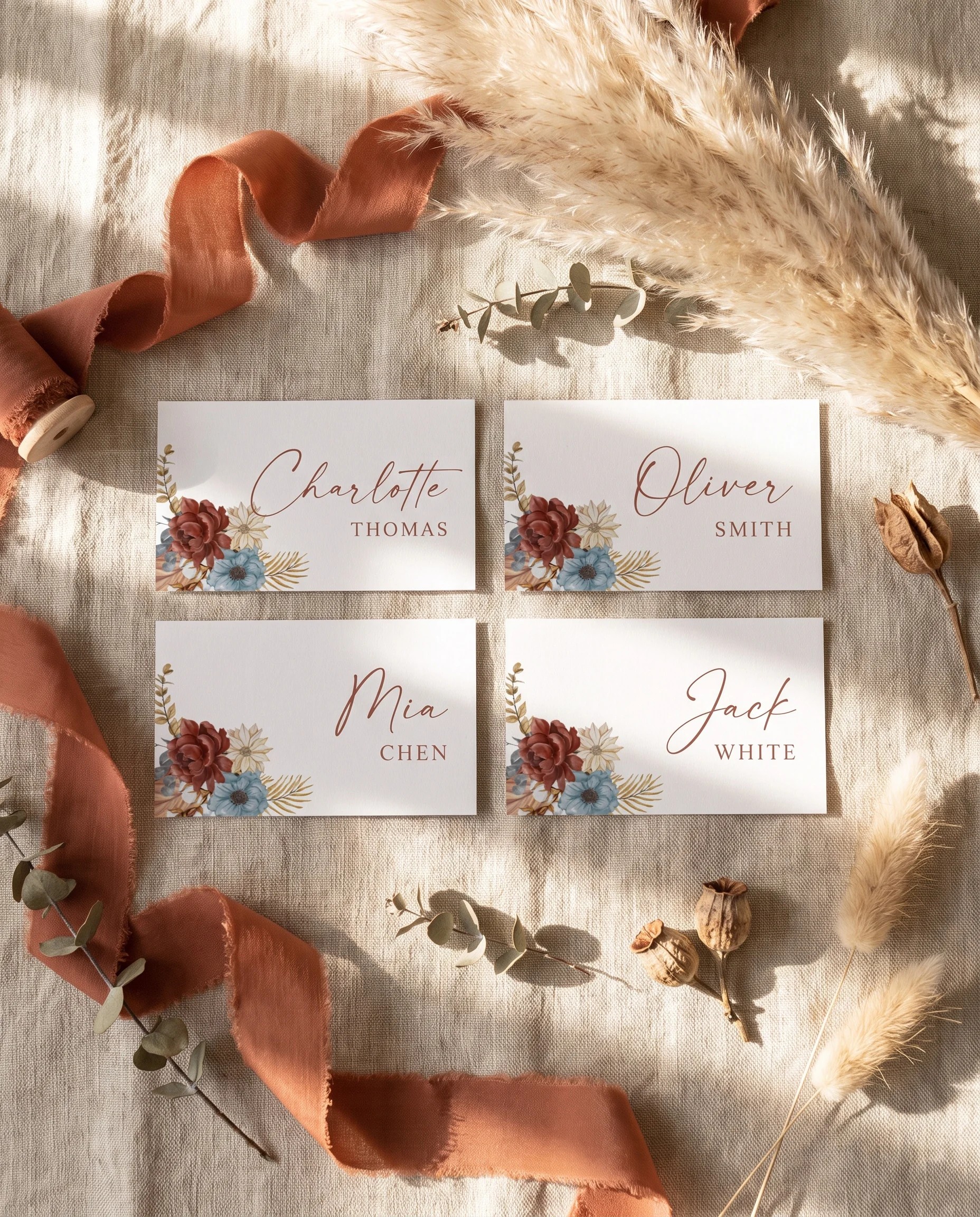
Earthy textures, terracotta tones, and hand-drawn details. Great for outdoor and desert weddings.
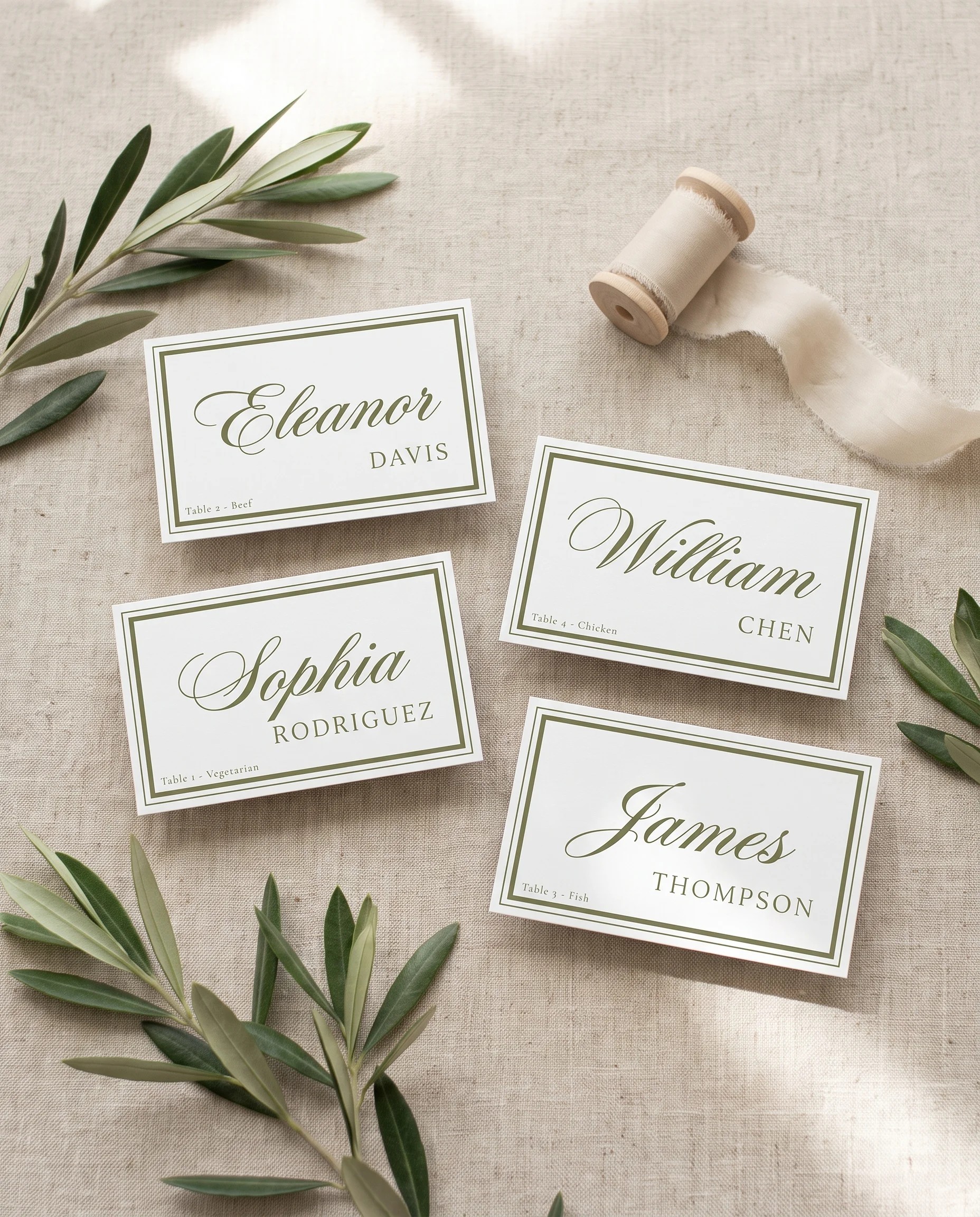
Classic Wedding Place Cards
Formal typography and traditional layouts. Ideal for ballroom receptions, country club weddings, and black-tie events.
Rustic Wedding Place Cards
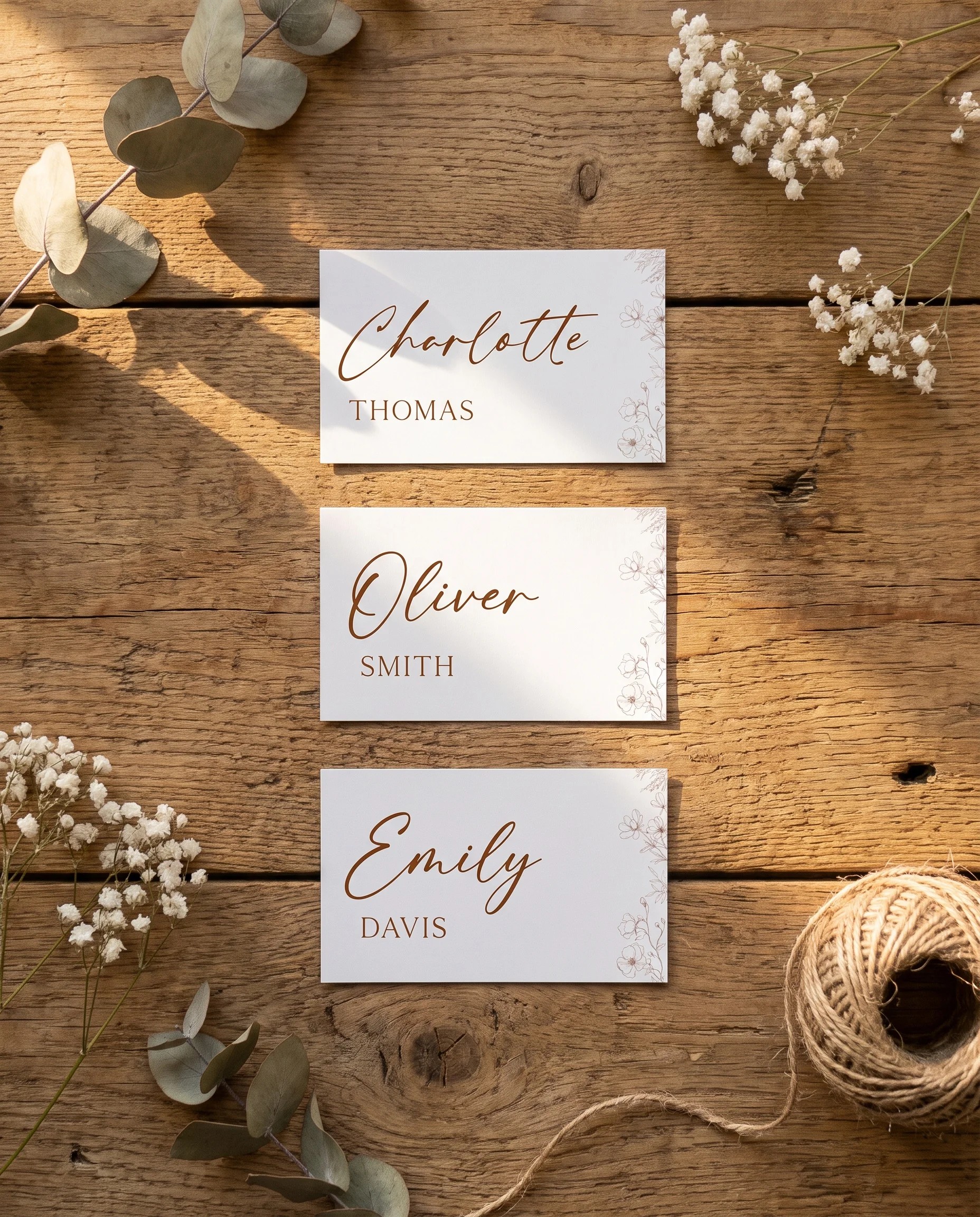
Warm wood tones and hand-lettered scripts. Perfect for barn weddings and farmhouse-themed celebrations.
Place Cards vs Escort Cards: What is the Difference?
Many couples use these terms interchangeably, but they refer to different reception roles. Both can be printed from the same template designs in our collection. Pick the workflow that fits your reception:
Place cards. Sit at each individual seat at the dinner table. Tell the guest "this is your specific seat at this chair." Used after the guest already knows their table assignment from the seating chart. Most weddings use 3.5x2 inch folded tent cards that stand upright at each seat without a holder.
Escort cards. Sit at the entrance to the reception, displayed alphabetically on a table or board. Tell the guest "go to table 7." Used INSTEAD of a seating chart. The guest picks up their card on the way in and brings it to the table to claim their spot. Most weddings use 2.5x3.5 inch flat cards displayed on a sand or wood tray.
Combined approach. Some weddings use both: a seating chart at the entrance routes guests to the table, then place cards at each seat assign the specific chair. Most common at very formal weddings of 200+ guests where assigned seating matters for table balance and conversation flow.
Our templates work as either format. The same design can be printed as a folded place card for the seat or as a flat escort card for the entrance display. Pick based on whether you want guests to find their seat before or after they enter the dining room.
Wedding Place Card Formats and Sizes
Folded tent cards (3.5x2 inches when closed, prints flat at 3.5x4 inches and folds in half). The most popular place card format. Stand upright at each seat without needing a holder. Print at home on 80lb to 100lb cardstock and fold by hand, or send to a print shop for scored cards that fold cleanly.
Flat cards (2.5x3.5 inches). Work best as escort cards displayed in a tray or on a board. Can also be tucked into napkins or laid flat on the dinner plate. Print at home on standard 100lb cardstock without any folding required.
Mini cards (3x2 inches). Smaller variant for intimate place settings or as accent cards alongside menu cards. Less common but increasingly popular for minimalist weddings.
All formats download as print-ready PDFs with proper bleed and margins. Most templates are formatted to print 8 to 10 cards per 8.5x11 inch sheet for cost-efficient printing.
Meal Selection Markers
For plated dinners with multiple meal options, place cards often include a small marker (a colored dot, a small icon, or a printed letter) that tells the catering team which meal each guest selected from their RSVP. Common conventions:
Color dots: red for beef, yellow for chicken, blue for fish, green for vegetarian. Subtle but easy for the wait staff to spot.
Small icons: a steer for beef, a chicken for chicken, a fish for fish, a leaf for vegetarian. More visible and on-theme for casual weddings.
Letter codes: B, C, F, V on the back or corner of the card. Most discreet, used at upscale weddings where icons would feel cluttered.
Many of our templates support meal selection markers. Add them in the editor when you customize each card based on the meal preferences from each guest's RSVP.
How to Use Your Wedding Place Card Templates
Wait until your RSVP deadline has passed plus 1 week of follow-up before designing place cards. You need a final guest count, table assignments, and meal selections to avoid reprints.
Pick a template that matches your wedding invitation suite. Filter by style above (Minimalist, Floral, Boho, Classic, or Rustic).
Decide on your format. Folded tent cards (3.5x2) for at-seat place cards, flat cards (2.5x3.5) for escort card displays at the entrance.
Open the template in our free browser-based editor. Customize each card with the guest name, table number, and meal selection marker if needed. Pull color codes from your wedding suite for visual consistency.
Download the print-ready PDF. Most templates print 8 to 10 cards per 8.5x11 inch sheet. For a 150-guest wedding, that is 15 to 19 sheets total.
Print at home on 80lb to 100lb cardstock or send the file to a local print shop. Pre-scored folded cards from a print shop fold more cleanly than home-folded cards. Set up cards 1 to 2 days before the wedding (the venue or your day-of coordinator typically handles placement).
Pairs With
Wedding place cards are part of the dinner table stationery suite. Most couples coordinate them with matching table numbers, food menus placed at each setting, and a seating chart at the entrance to the reception. For ceremony stationery, see our wedding programs and welcome signs. Browse the full Ceremony & Reception Essentials collection for the complete day-of stationery suite.
Frequently Asked Questions
How many wedding place cards do I need?
You need one wedding place card per guest. For a 100-guest wedding, you need 100 place cards. For 150 guests, you need 150. For 200 guests, you need 200. Add 5 to 10 extra cards for last-minute attendees, replacements for cards damaged during setup, or guests who request a name correction. Place cards scale with guest count, unlike seating charts (always one per wedding) and welcome signs (one or two per wedding).
What is the difference between place cards and escort cards?
Place cards sit at each individual seat at the dinner table and tell the guest which specific chair is theirs. Escort cards sit at the reception entrance, displayed alphabetically, and tell the guest which table to go to. Place cards are used WITH a seating chart (chart routes to table, place card claims the chair). Escort cards are used INSTEAD of a seating chart (the card itself is the table assignment). Some formal weddings use both. Our templates work for either format.
What size are wedding place cards?
The two standard wedding place card sizes are 3.5x2 inches (folded tent card, prints flat at 3.5x4 then folds in half) and 2.5x3.5 inches (flat card). Folded tent cards are the most popular for place cards because they stand upright at each seat without a holder. Flat cards work best for escort card displays at the entrance, or tucked into napkins. Most of our templates are available in both sizes.
Can I print wedding place cards at home?
Yes. Wedding place cards are the easiest day-of stationery piece to print at home because they are small (3.5x2 or 2.5x3.5 inches) and most templates are formatted to print 8 to 10 cards per 8.5x11 inch sheet. Use 80lb to 100lb cardstock in matte or smooth finish. For 150 place cards, you need about 15 to 19 sheets of cardstock, which costs $10 to $25 at any office supply store. Pre-scored folded cards from a print shop ($20 to $40 for 150 cards) fold more cleanly than home-folded cards if you want a more polished finish.
When should I print wedding place cards?
Print place cards 1 to 2 weeks before the wedding, after your RSVP deadline has passed plus 1 week of follow-up for late responders. You need a final guest list with confirmed names (correctly spelled), table assignments, and meal selections before printing. Reprints take 1 to 3 days at most print shops, so a 1 to 2 week buffer gives you room for last-minute corrections.
Do I need place card holders?
Folded tent cards (3.5x2 inches) stand upright on their own without a holder, so most weddings using folded cards skip holders entirely. Flat cards (2.5x3.5 inches) need a holder unless you are tucking them into napkins or laying them flat on the dinner plate. Common place card holders are small acrylic stands ($30 to $80 for 150 holders), brass or gold metal stands ($50 to $150), or natural elements like small olive branches, sea shells, or wooden clips that can be sourced from craft stores or wedding rental companies.