Wedding Dress Code Wording: Examples for Every Level of Formality
In short. Name the formality level in two or three words, then put it where guests will actually look. "Black tie" or "cocktail attire" belongs in the lower right of a details or reception card, with a fuller explanation on your wedding website. The invitation’s own design already signals most of it.
Wedding dress code wording is a small problem that feels enormous. Two or three words on a card decide whether your guests arrive in tuxedos, sundresses, or something that makes them feel wrong all evening.
The anxiety is real and it runs in two directions. Say too little and half the room turns up underdressed. Say too much and you sound like you are issuing instructions to people you love.
This guide gives you copy-ready lines for every formality level, tells you where each one belongs, and explains which phrasings actually land with guests.
Do you need a dress code at all?
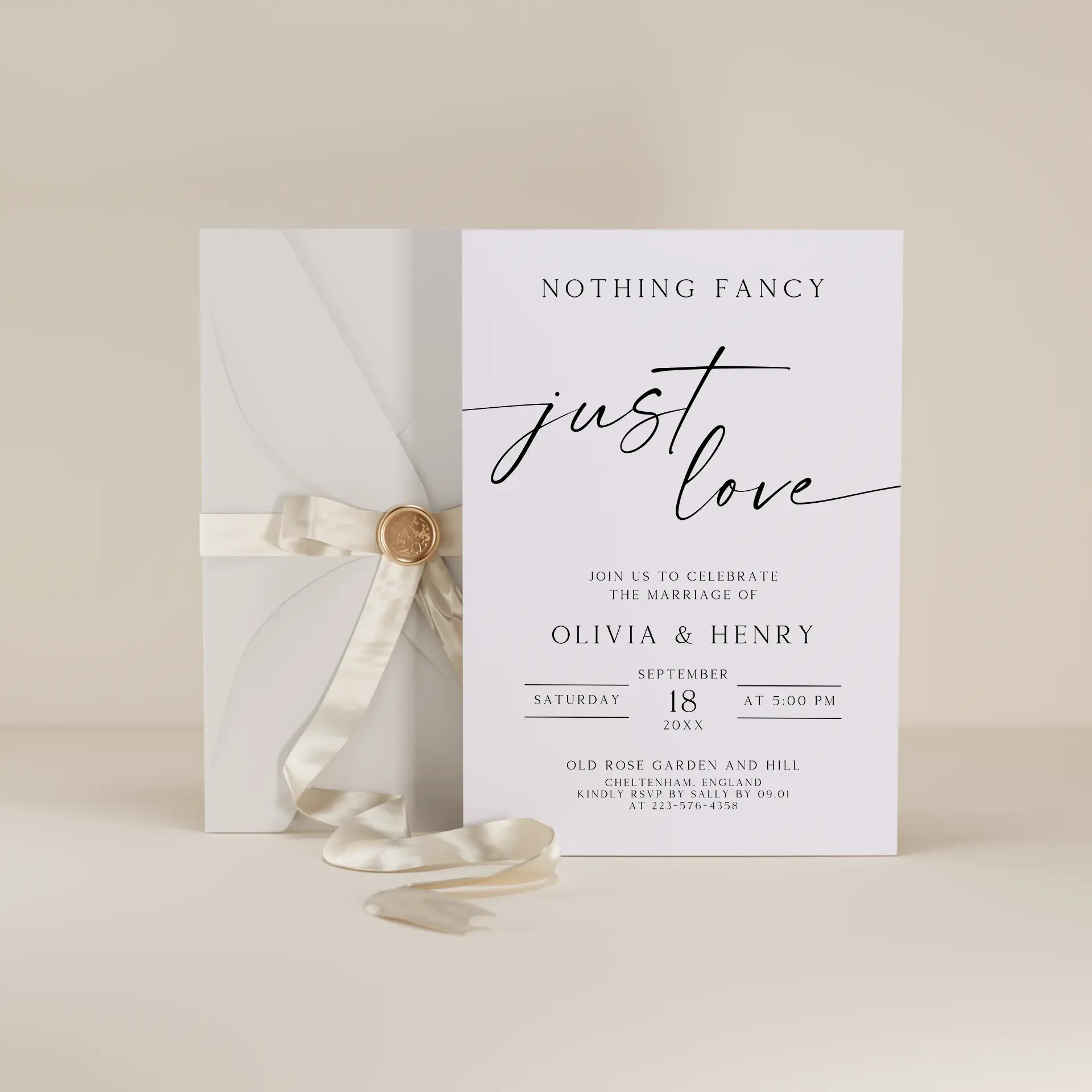
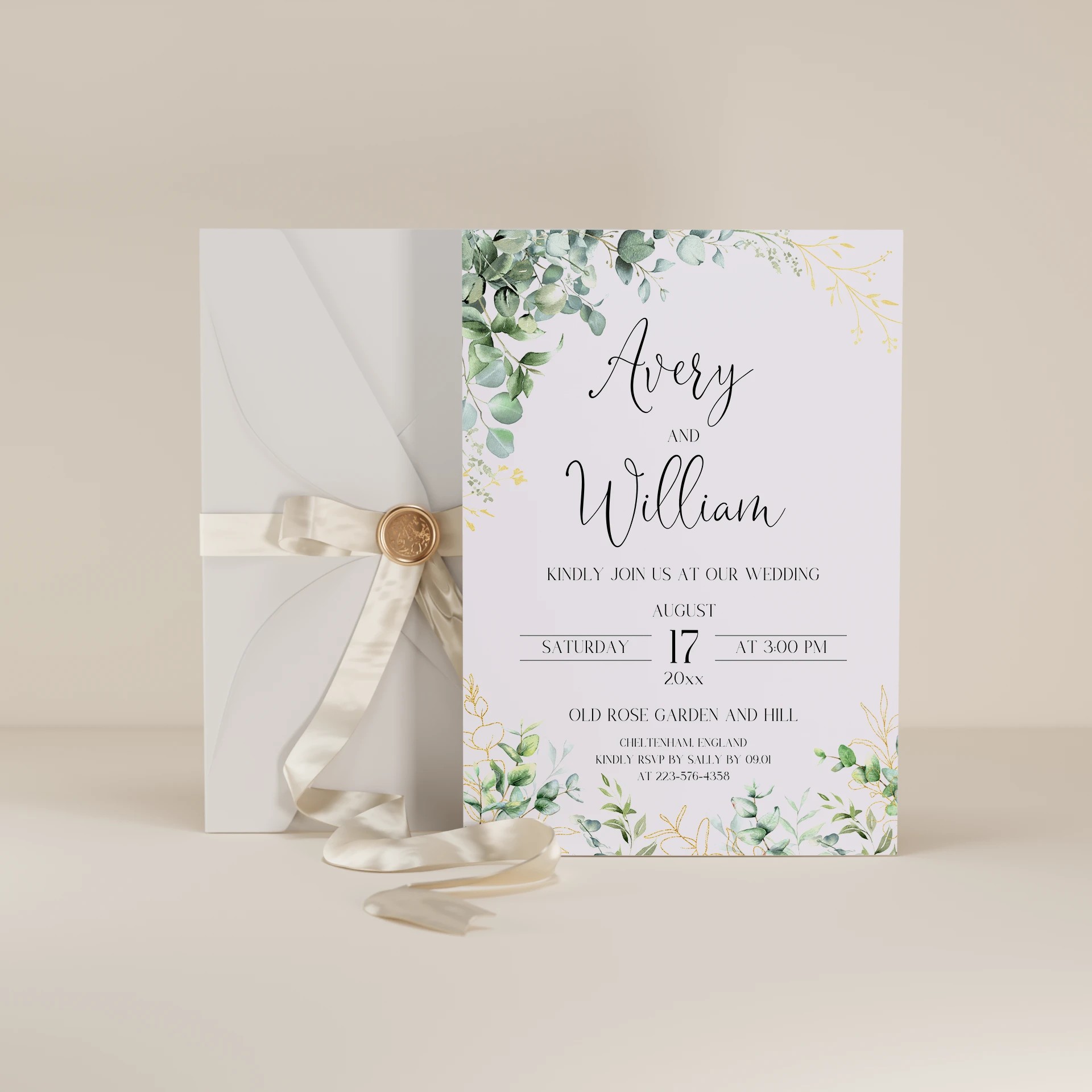
No, and plenty of weddings do without one. Your invitation already signals formality on its own: heavy cream cardstock with engraved script reads as formal before anyone reads a word, and a bright illustrated card reads as relaxed.
Add an explicit dress code when one of these is true:
Your formality is higher than your invitation or venue suggests, such as black tie in a barn.
The venue or season could mislead people, such as an evening desert wedding that gets cold.
Guests are travelling and packing in advance, so guessing on the day is not an option.
Your wedding has terrain guests should know about, like a lawn ceremony or a beach aisle.
Skip it when your wedding sits comfortably at the formality your invitation implies. The Emily Post Institute treats the invitation and the time of day as a guest’s primary guide, and for most weddings that is genuinely enough.
How do you choose a wedding dress code?
Start with the venue, then the time of day. Those two decide most of it, and everything else is adjustment.
Venue
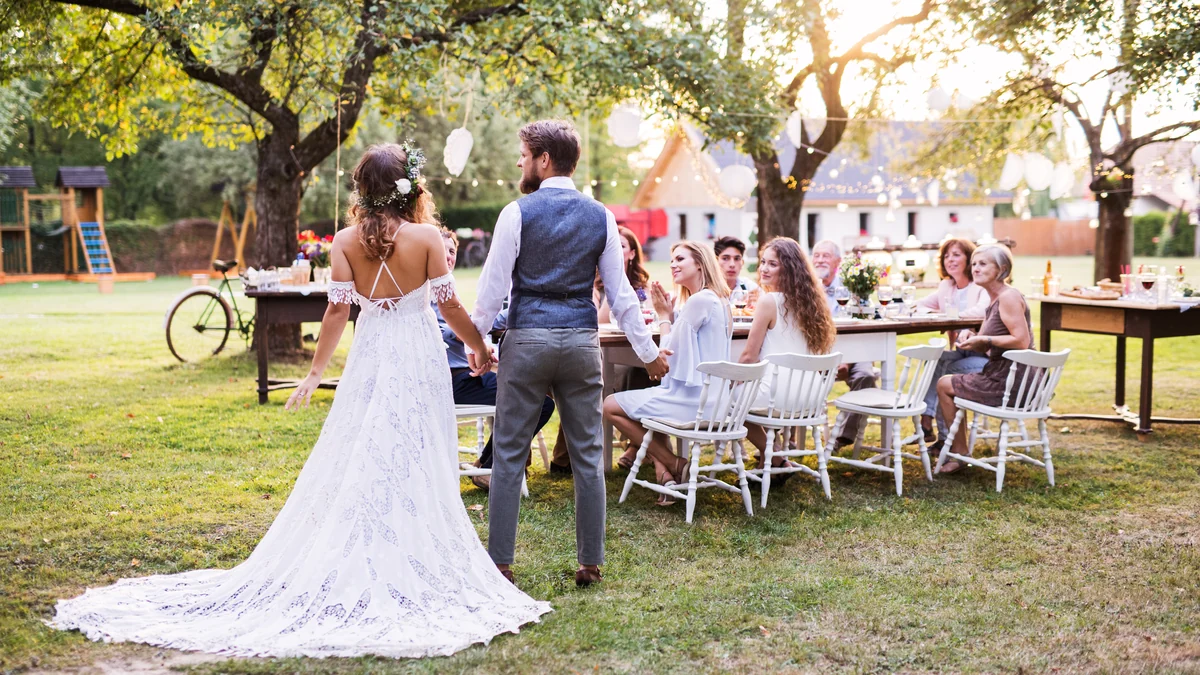
A hotel ballroom or historic estate supports black tie. A vineyard, barn, or backyard does not, and asking for one anyway puts guests in gowns on gravel.
Time of day
Formality rises with the clock. A ceremony before four in the afternoon rarely warrants anything above cocktail attire. An evening reception starting at six or seven can carry black tie comfortably.
Season and climate
August in Arizona rules out three-piece suits no matter how formal the venue. Outdoor evening weddings in fall need guests to know they should bring a layer, which is dress code information even though it is not a formality level.
Everything else you have chosen
Your dress code should match the rest of the wedding, not exceed it. If your flowers, stationery, and menu all read as relaxed, black tie will feel like a costume rather than an occasion. Match the level you are actually hosting.
What do the wedding dress codes actually mean?
There are nine levels in common American use. The two most formal have fixed rules; everything below them gets interpreted differently by different guests, which is exactly why a line of explanation helps. Definitions below follow the Emily Post attire guide.
White tie. The most formal there is. Tailcoats, white bow ties, and floor-length ball gowns. Rare outside state occasions and very traditional evening weddings.
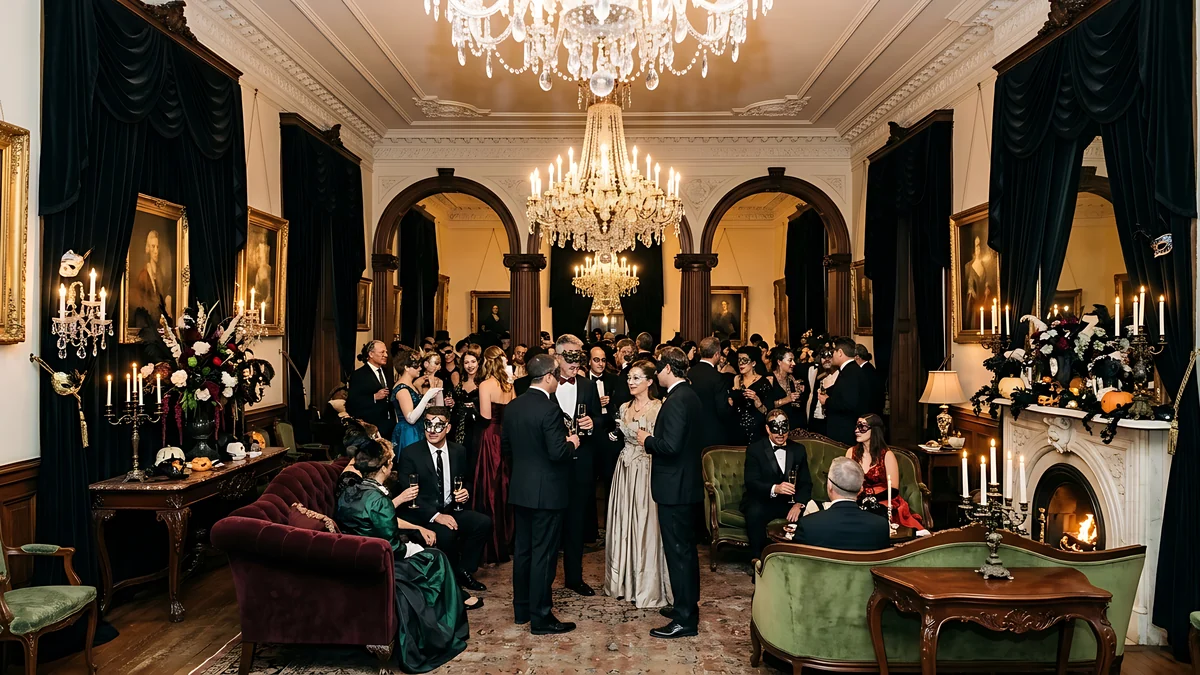
Black tie. Tuxedos and floor-length gowns or formal evening separates. Evening weddings only. This is the one dress code guests will follow literally.
Black tie optional. A tuxedo is welcome but a dark suit is equally correct. Women wear floor-length gowns, formal midi dresses, or dressy separates.
Formal. Floor-length or dressy midi dresses, and dark suits. One step below black tie, and the difference is the tuxedo.
Semi-formal. A suit in any color, and a cocktail-length dress or dressy separates. Works for both afternoon and early evening.
Cocktail attire. The workhorse of American weddings. Suits and knee-length or midi dresses. Sits comfortably at most evening receptions.
Dressy casual. A sport coat without a tie, and a sundress or nice separates. Common for daytime and outdoor weddings.
Casual. Genuinely relaxed, but it does not mean jeans unless you say so. Chinos, button-downs, and simple dresses.
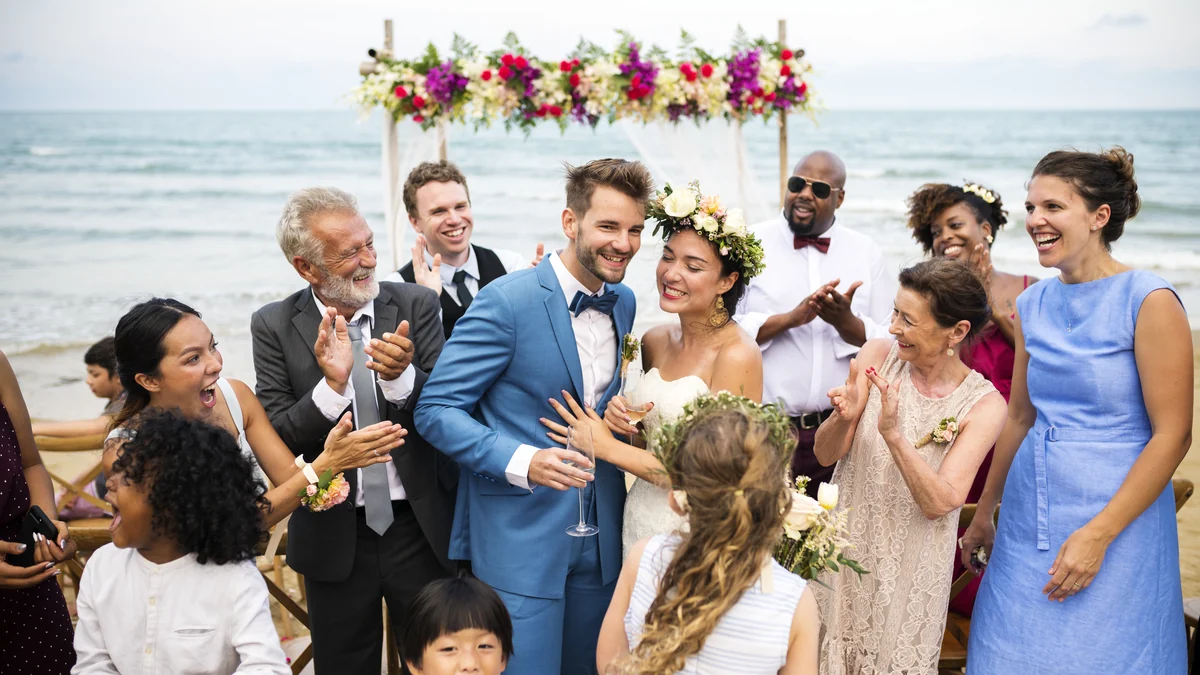
Beach or garden attire. Linen, lighter fabrics, and shoes that work on sand or grass. Less a formality level than a warning about terrain.
Two of these are confused constantly. Formal and black tie are not the same thing: black tie asks for a tuxedo, formal does not. If you want tuxedos in the room, write black tie.
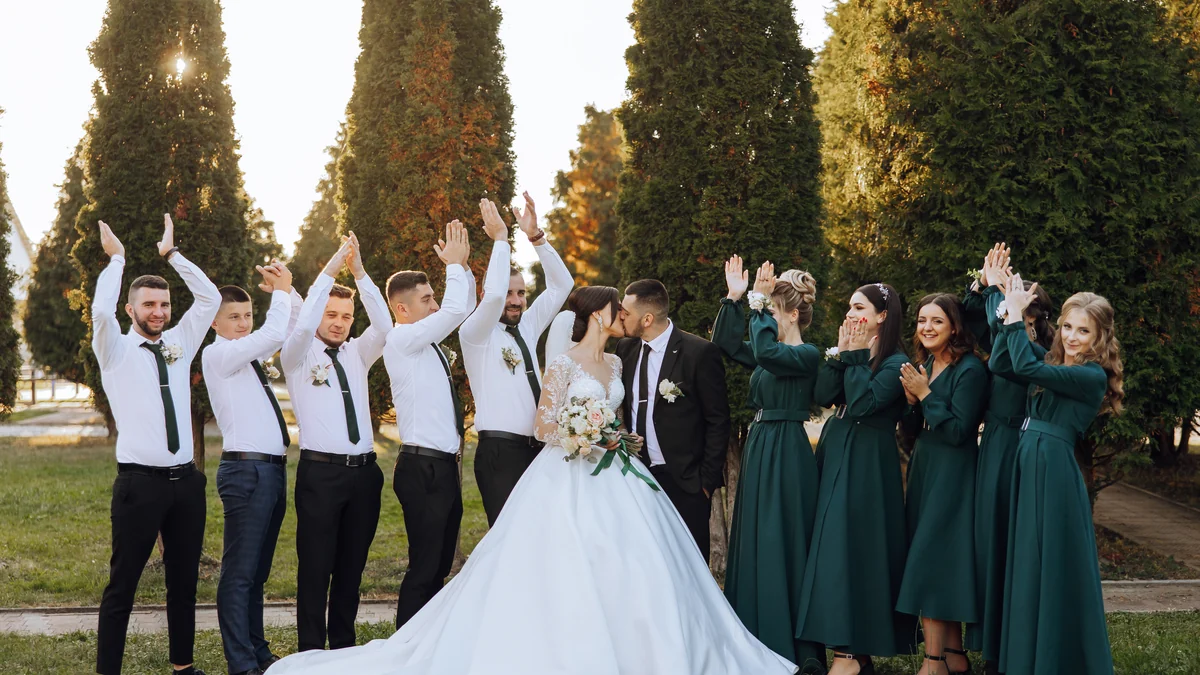
Wedding dress code wording examples for every level
Two versions of each, one formal and one relaxed. Use the formal line on printed stationery and the relaxed one on your website, where you have room to sound like yourself.
White tie
White Tie
Tailcoats and floor-length gowns, please
Black tie
Black Tie
Black tie, please. Tuxedos and long dresses
Black tie optional
Black Tie Optional
Black tie optional. Tuxedo or dark suit, both welcome
Formal
Formal Attire
Formal attire. Long or midi dresses, dark suits
Semi-formal
Semi-Formal Attire
Semi-formal. Suits and cocktail dresses
Cocktail
Cocktail Attire
Cocktail attire. Think suits and knee-length dresses
Dressy casual
Dressy Casual
Dressy casual. Sport coats welcome, ties optional
Casual
Casual Attire
Keep it comfortable. Sundresses, chinos, no tie needed
Beach or garden
Beach Formal
Beach formal. Linen and flats, we are on sand
Garden Party Attire
Garden party attire. The ceremony is on grass, so plan your shoes
Notice what the relaxed versions do. Each one names the level and then gives a single concrete example. That second half does more work than the label, because most guests know roughly what cocktail attire means and still want confirmation they have understood it correctly.
Where should the dress code go?
Three places, and most couples use two of them. Traditional etiquette is stricter here than modern practice, and the two genuinely disagree.
Emily Post’s formal invitation guidance keeps attire off the wedding invitation entirely, allowing "Black tie" only in the lower right of a reception invitation. Modern stationers routinely place a dress code in the lower right of the invitation itself. Both are in current use, so this is a choice rather than a rule.
On the invitation itself
Lower right corner, two or three words, no colon and no full sentence. Use it only when your wedding is formal enough that the line belongs there. Most printable wedding invitation templates leave room for it in that corner, which is where guests have been trained to look.
On the details or enclosure card
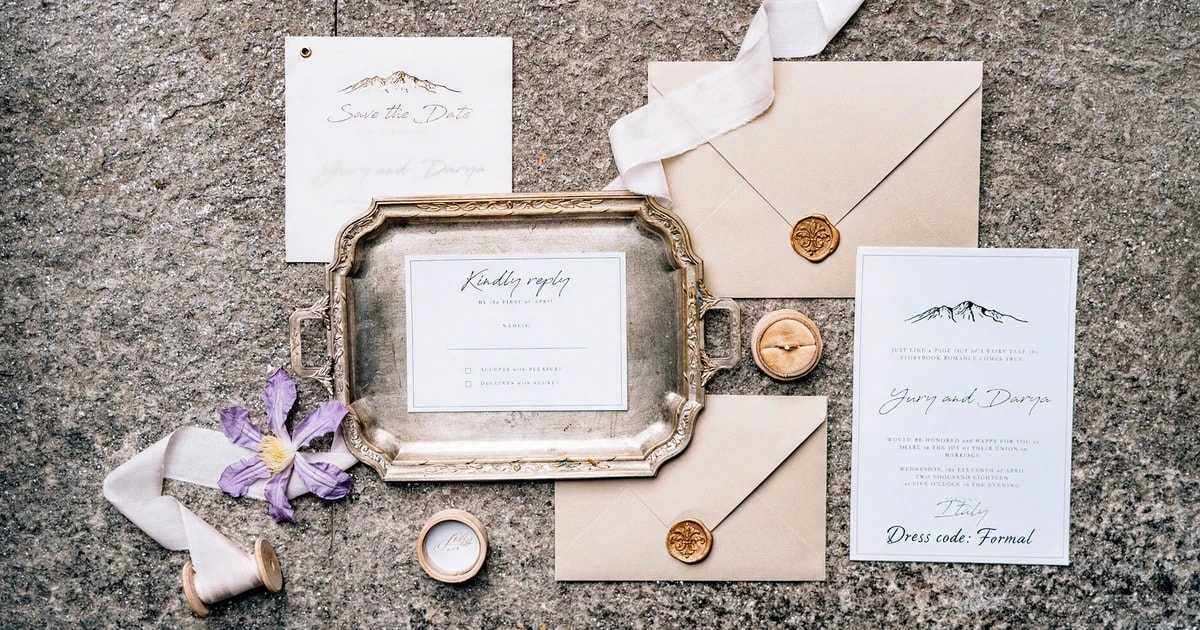
The safest option, and the one with the most room. A details card lets you add the sentence of explanation that a corner line cannot fit. Coordinated wedding invitation suites include one as standard, and larger wedding invitation sets add further companion pieces in the same design family.
One rule worth keeping: put the dress code on the invitation or the enclosure card, not both. Repeating it reads as nagging.
On your wedding website
This is where the dress code does its real work, because it is the only place with room to explain what you mean. Give it a short section, name the level, add two or three examples, and note anything practical about terrain or weather. Online wedding invitations can carry the same information for guests who never receive a paper suite.
On signage at the venue
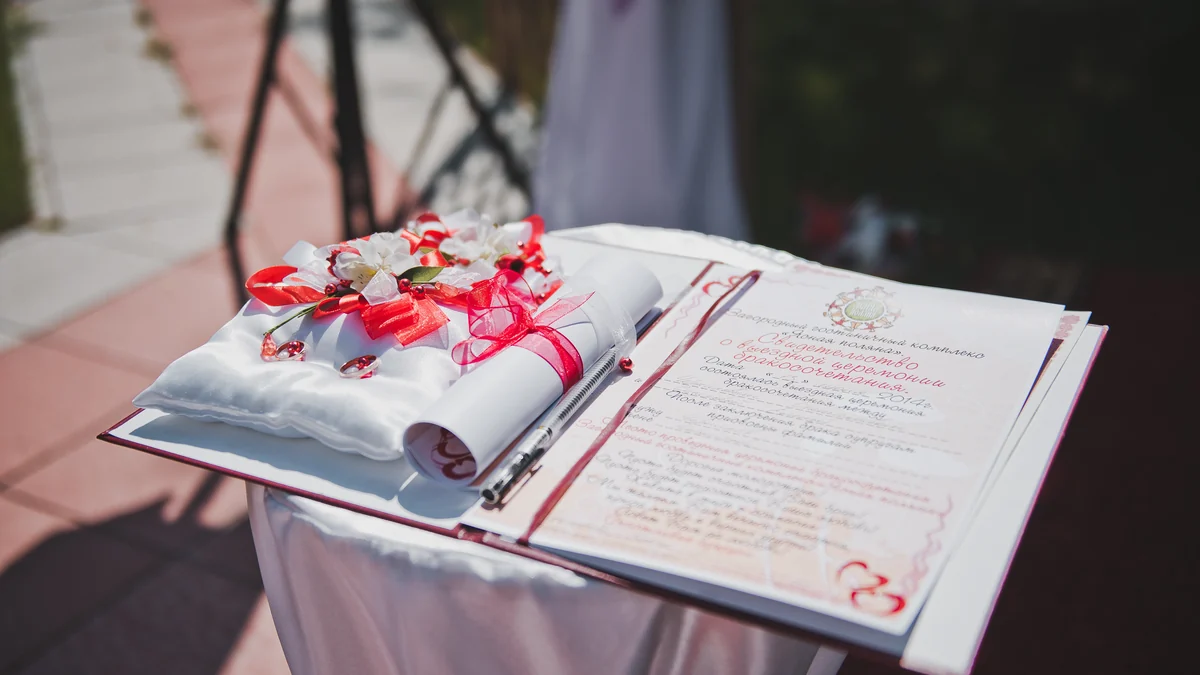
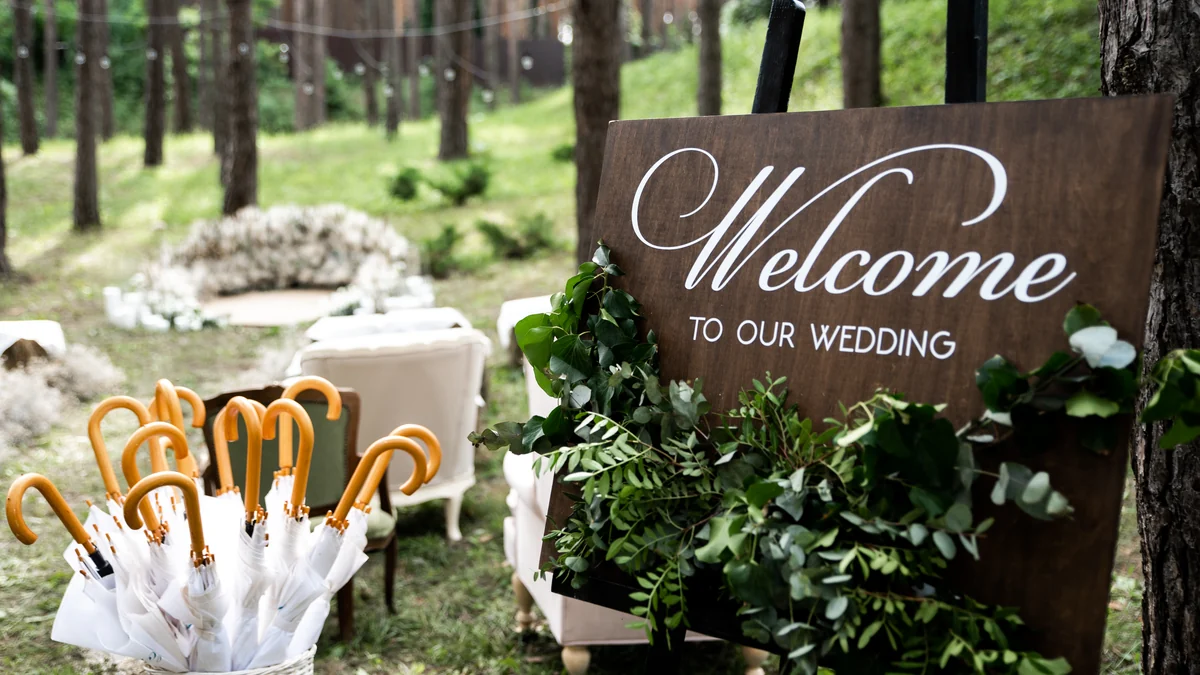
Too late to change what anyone is wearing, but useful for setting tone on arrival. Wedding welcome signs often carry the dress code alongside the ceremony time, which helps guests arriving straight from travel.
How do you say it without sounding demanding?
Write what you want guests to wear, not what you want them to avoid. That single change fixes most of it.
Prohibitions read as rules; descriptions read as guidance. "No jeans" makes a guest feel policed before they have arrived. "Dressy casual, sport coats welcome" tells them the same thing and sounds like an invitation.
Three more things worth knowing:
Avoid "required" and "strictly". Black tie already means a tuxedo. Adding "strictly enforced" suggests you are prepared to turn someone away, which nobody means.
Never ban colors on stationery. If you would rather guests avoided white, that belongs on your website in a friendly sentence, or in conversation. On a card it reads as suspicion.
Give reasons for practical requests. "The ceremony is on grass, so consider block heels" lands well because the reason is obvious. The same request without the reason sounds arbitrary.
The couples who get the best compliance are usually the ones who sound most relaxed about it, because guests read warmth as confidence rather than as permission to ignore the code.
What if your wedding has more than one event?
Give each event its own dress code, and make each one clearly less formal than the wedding itself. Guests who pack for a black tie wedding and arrive to find the welcome party equally formal have nothing left to wear.
A weekend usually descends in formality and then peaks on the wedding day:
Welcome party
Casual. Come as you are after travel
Rehearsal dinner
Semi-formal. Suits and cocktail dresses
Wedding day
Black tie
Farewell brunch
Casual. Comfortable shoes, we are outdoors
Put all of these on one page of your wedding website rather than spreading them across separate cards. Guests packing a suitcase want to see the whole weekend at once, and a single list is far easier to work from than four pieces of stationery.
Creative and custom dress codes
Phrases like garden party attire, festive formal, or mountain elegant are increasingly common, and they all share one problem: guests do not know what they mean.
These are not recognized levels with agreed definitions. They are moods. A guest reading "mountain elegant" has no reliable way to work out whether that means a suit or a sweater, so they will either ask you or guess, and most will guess.
If you use one, anchor it to a standard level and add an example:
Festive Formal
Festive formal. Cocktail attire with color, the brighter the better
Garden Party Attire
Garden party attire. Florals, pastels, and shoes for grass
Mountain Elegant
Mountain elegant. Semi-formal, and bring a layer for the evening
Each pairs the creative phrase with a recognized level, so guests have something solid underneath the mood. Without that anchor, a custom dress code produces a room that looks nothing like what you pictured.
Key Takeaways
White tie and black tie are the only codes guests follow literally, so every level below them benefits from a line of explanation.
Emily Post keeps attire off the wedding invitation entirely and allows "Black tie" only in the lower right of a reception card.
Formal and black tie are not the same level: black tie asks for a tuxedo and formal does not.
Creative codes such as festive formal or mountain elegant need anchoring to a standard level, because guests cannot interpret a mood.
Write what you want guests to wear rather than what you want them to avoid, since prohibitions read as policing.
Put the dress code on the invitation or the enclosure card, never on both, and let your website carry the full explanation.
Frequently Asked Questions
How do you phrase a dress code?
Name the formality level in two or three words and place it where guests will see it. "Black tie" works on a formal invitation. "Cocktail attire" suits most evening weddings. "Dressy casual, ceremony on grass" adds the practical detail guests actually need. Keep it short and describe what to wear rather than what to avoid.
What are the dress code options for weddings?
Nine levels, from most to least formal: white tie, black tie, black tie optional, formal, semi-formal, cocktail, dressy casual, casual, and beach or garden attire. Most American weddings land on cocktail or black tie optional. White tie is rare outside state occasions and very traditional evening weddings.
How do you give a dress code for a wedding?
Three places: the lower right corner of the invitation or reception card, a details enclosure card, and your wedding website. Formal weddings use the printed card. Everything else works better on the website, where you have room to explain what your dress code actually means in practice.
How do you answer when a guest asks what the dress code is?
Name the level, then give one concrete example. "It’s cocktail attire, so a suit or a knee-length dress is perfect." The example does more work than the label. Send your website link too, since guests usually ask because the label alone left them guessing.
Where do you put the dress code on a wedding invitation?
Traditionally the lower right corner of the reception card rather than the invitation itself. Emily Post keeps attire off the wedding invitation, though modern practice now allows the lower right corner of the invitation. Both are accepted, and a details card gives you considerably more room to explain.
Do you have to put a dress code on the invitation?
No. The invitation’s own design already signals formality: heavy cream cardstock with engraved script reads as formal, while a bright illustrated card reads as relaxed. Add an explicit code when the venue or season could mislead guests, or when your formality exceeds what the invitation suggests.
What is a formal wedding dress code?
Formal means floor-length or dressy midi dresses and dark suits, one step below black tie. The difference between them is the tuxedo: black tie asks for one and formal does not. Guests confuse the two constantly, so if you want tuxedos, write black tie instead.
How do you choose a dress code for your wedding?
Start with the venue, then the time of day. A ballroom at six in the evening supports black tie; a vineyard at two in the afternoon does not. Add the season, then check the formality of everything else you have chosen. Your dress code should match your invitation, not exceed it.
Ready to put it on paper?
Pick your level, write the two or three words, and decide whether they belong on the invitation or the details card. Browse our wedding invitation and stationery templates to customize the wording, drop the dress code into the lower right corner, and download print-ready files for your printer.