
Minimalist Wedding Invitations
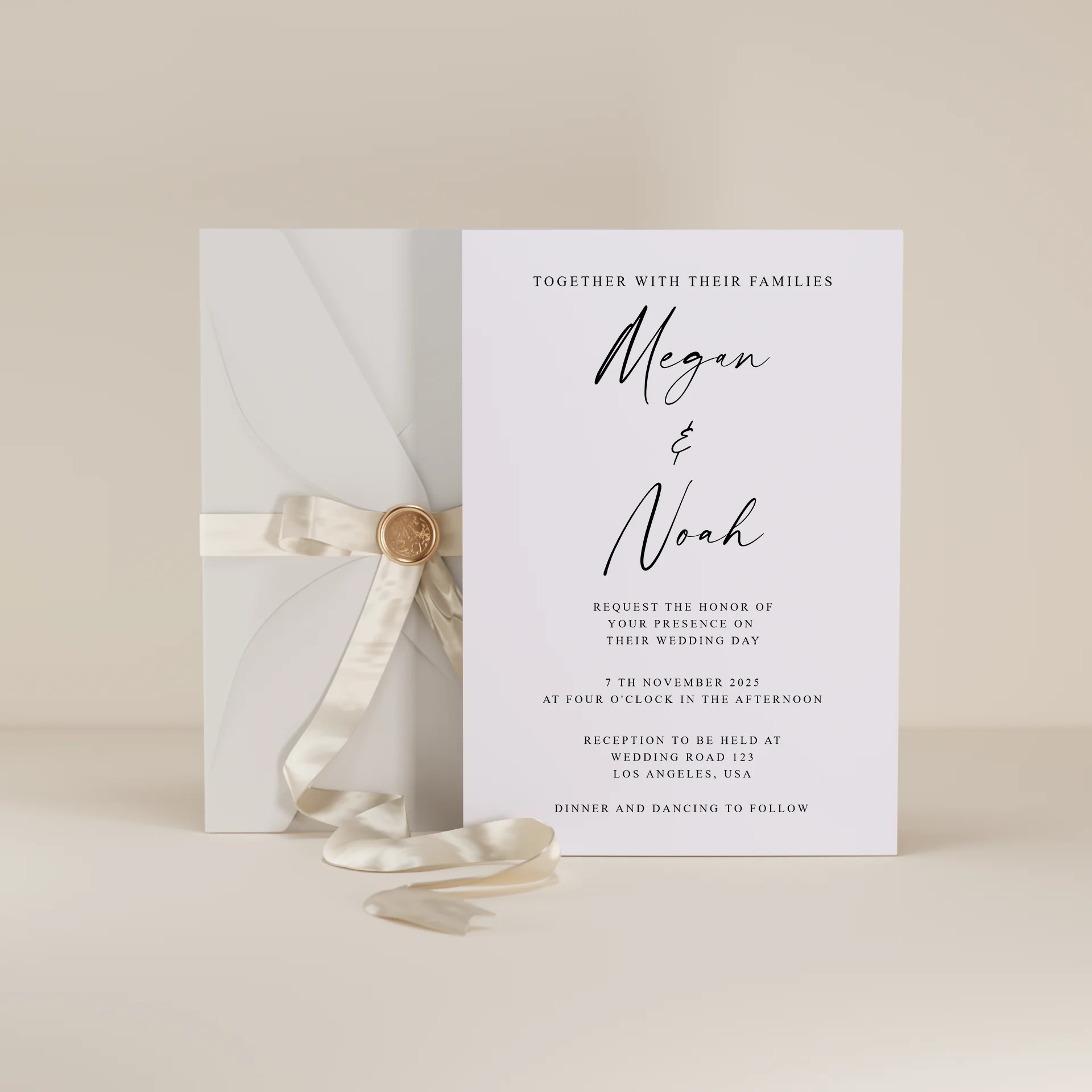
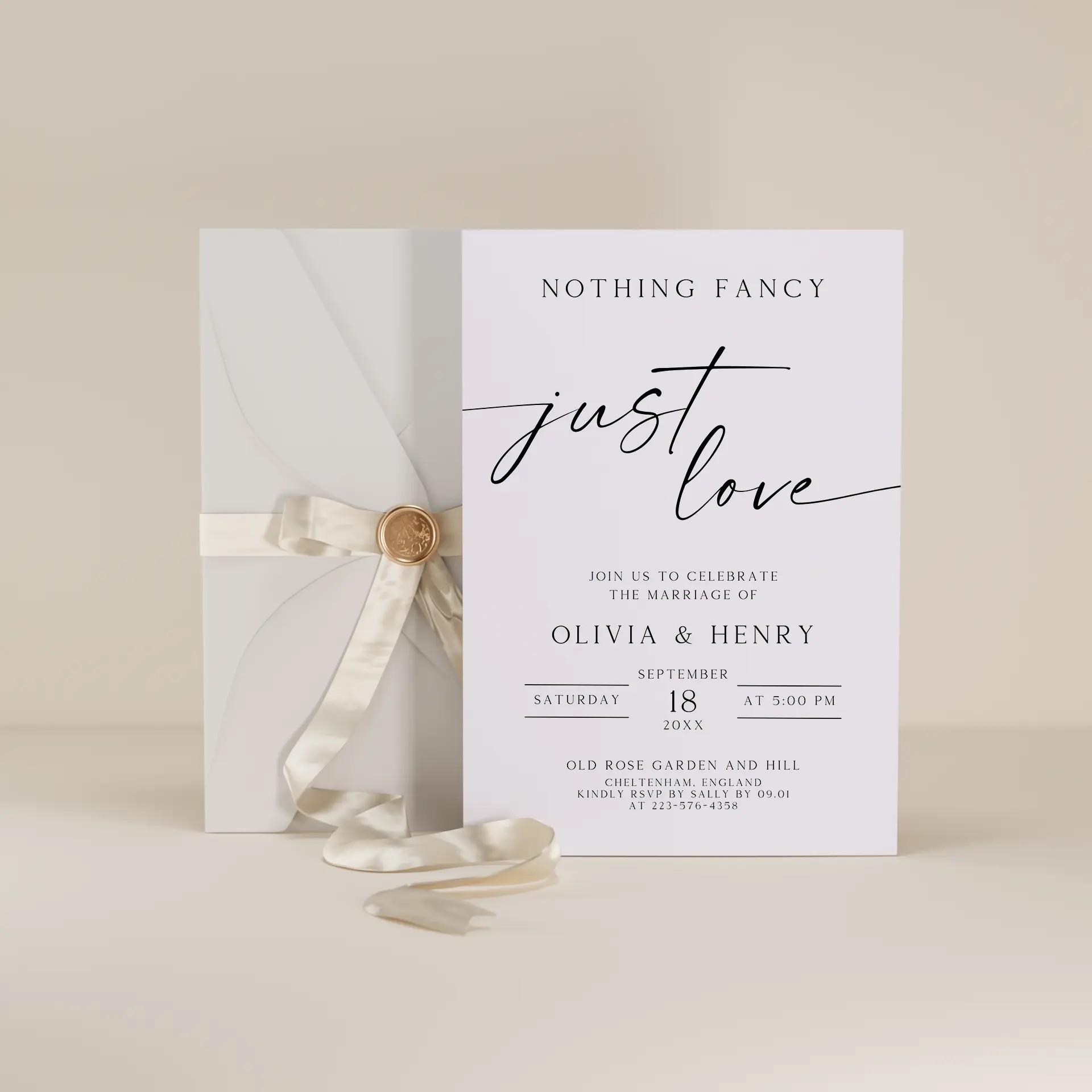
Clean lines, modern typography, and generous white space define our minimalist wedding invitation templates. Restrained black, white, ivory, and single-accent palettes pair with editorial layouts that put the names and date at the center. Built for couples whose wedding aesthetic leans contemporary, sleek, or modern, our minimalist invitations skip decorative ornaments and busy borders in favor of typography that does the design work. Every template is fully editable in our free browser-based editor and downloads as print-ready PDF, JPEG, and PNG files.
best seller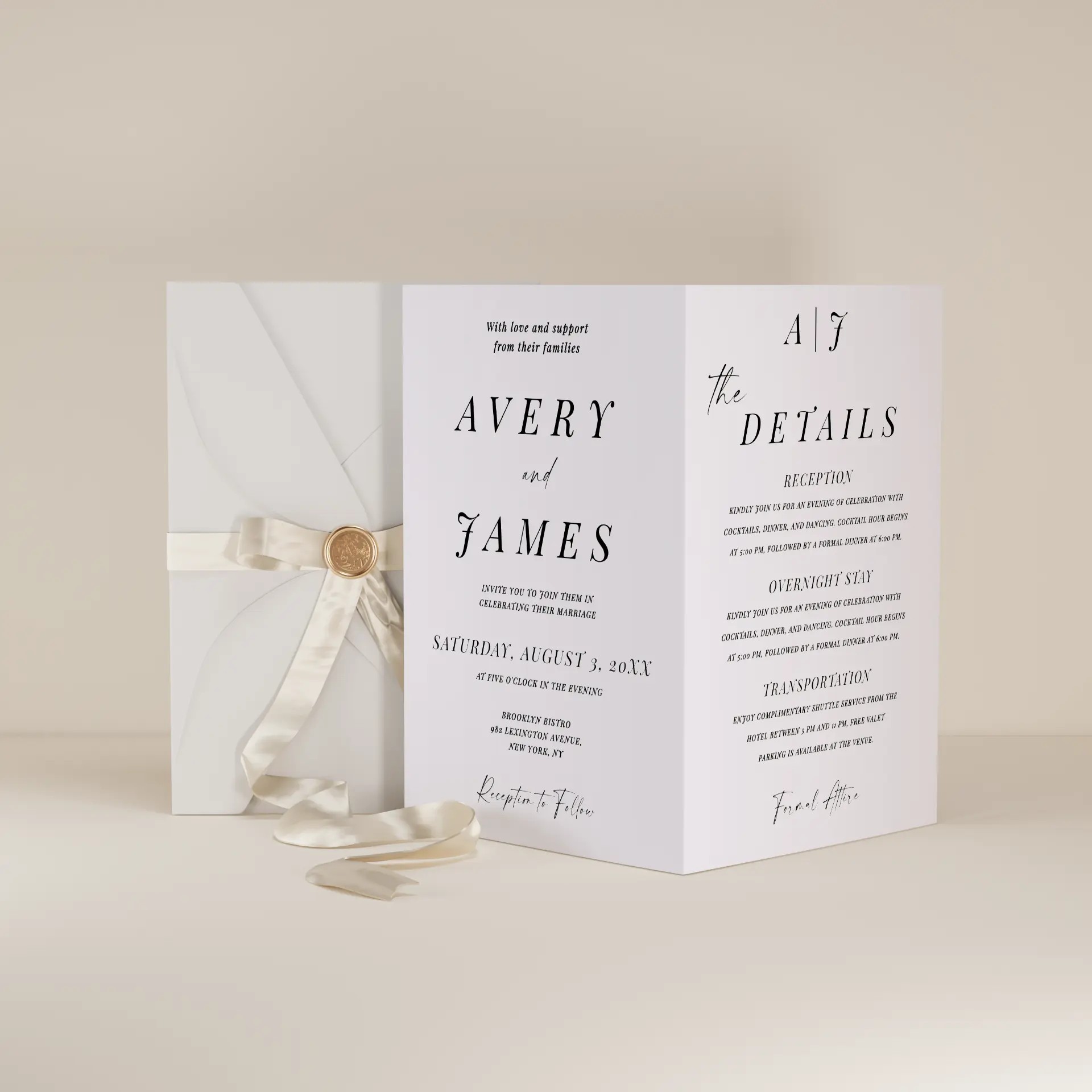
About Our Minimalist Wedding Invitations
Our minimalist wedding invitation templates are built around clean lines, modern typography, and generous white space. Restrained black, white, ivory, and single-accent palettes pair with editorial layouts that put the names and date at the center. Whether you are looking for modern wedding invitations, simple modern wedding invitations, contemporary wedding invitations, or black and white wedding invitations with minimalist editorial layouts, every template here is fully editable in our free browser-based editor and downloads as print-ready PDF, JPEG, and PNG files. Every design skips decorative ornaments and busy borders in favor of typography that does the design work.
What Makes a Wedding Invitation Minimalist
The minimalist aesthetic is defined by what it leaves out as much as what it includes. Specifically:
Restrained color palette. Most minimalist wedding invitations use 2 to 3 colors maximum, typically black, white, and one accent (charcoal, sage, dusty blue, terracotta, or warm beige). Black and white invitations on white or ivory cardstock remain the most timeless minimalist combination.
Modern serif or sans-serif typography. Clean, readable, contemporary type takes the place of decorative scripts and ornaments. The typography itself is the design.
Generous white space. The layout uses large margins and breathing room around text. Elements are not crowded together.
Few decorative elements. No watercolor florals, no calligraphy flourishes, no busy borders. Single typographic accents (a small monogram, a thin rule line, a discreet mark) are the only ornamentation.
Editorial layout sensibility. Clean grids, deliberate alignment, and a sense of restraint that feels closer to magazine design than traditional wedding stationery.
Who Minimalist Wedding Invitations Fit
Minimalist invitations work best for couples whose overall wedding aesthetic leans contemporary, sleek, or editorial. Common matches include city weddings at modern venues, art gallery and loft receptions, monochrome or restrained color palette weddings, design-forward couples (architects, designers, art directors), and any wedding where the couple prefers "less is more" as a design philosophy. The aesthetic also pairs well with modern destination weddings (Tulum, Iceland, Portuguese coast, Mexico City) where natural surroundings carry the visual weight and the stationery stays understated. Minimalist works for both casual and formal weddings; the formality is set by typography and palette choices.
Pairs With
If you prefer a different style, browse our other wedding invitations by aesthetic. For coordinated minimalist sets across multiple pieces (save the date, RSVP, details, thank you), see our minimalist wedding invitation suites and minimalist wedding invitation sets. For matching day-of stationery in the same minimalist style, browse our Ceremony & Reception Essentials collection filtered by minimalist style.
Frequently Asked Questions
What information should be on a minimalist wedding invitation?
A complete wedding invitation includes seven elements: the host names at the top (whoever is hosting and paying), the formal request to attend, the bride and groom's full names, the wedding date written in long form (Saturday, the fifteenth of June, two thousand and twenty-six), the ceremony start time, the venue name and full address, and the dress code. Minimalist invitations work especially well with this etiquette because the restrained design lets the formal phrasing carry the weight. Skip the wedding monogram, ribbons, and decorative flourishes that belong on classic invitations - on minimalist designs, the typography is the only ornamentation needed.
What colors work best for minimalist wedding invitations?
Minimalist wedding invitations typically use 2 to 3 colors maximum. The most timeless palette is black or charcoal text on a white or cream background, with no accent colors. For couples who want a touch of color, a single accent works best: sage green, dusty blue, terracotta, warm beige, blush, or muted gold. Avoid using more than one accent color, which moves the design away from minimalist toward a more eclectic style. Black and white minimalist invitations look as elegant in 30 years as they do today and translate well to formal venues.
Are minimalist wedding invitations too plain or formal?
Minimalist does not mean plain or cold. The aesthetic is restrained but intentional, with the typography and white space doing the design work that decorative elements would in other styles. For couples worried about formality, minimalist invitations can lean either casual (lowercase typography, soft sans-serif fonts, warm neutral palette) or formal (large serif typography, classical centered layouts, black and white palette). The style scales from very casual to very formal depending on type and color choices, which makes it adaptable to any wedding context.
Can I customize minimalist wedding invitation templates in my own colors?
Yes. Every template is fully editable in our free browser-based editor. You can change the accent color, swap typography, edit wording, and adjust layout to match your specific wedding palette. We recommend keeping the white space generous and the color palette to 2 or 3 colors maximum to preserve the minimalist aesthetic. If you make significant changes (multiple accent colors, decorative ornaments, busy patterns), the design moves away from minimalist toward a different style.